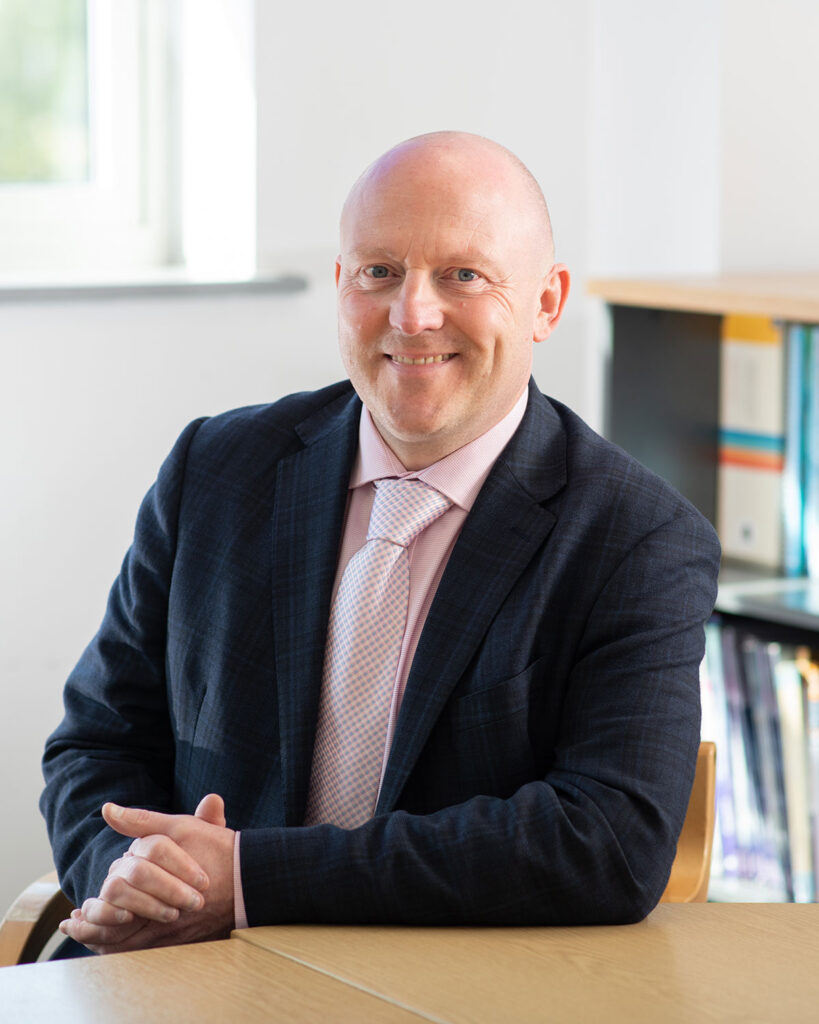
Mr Barrett, Headteacher – 19 October 2026
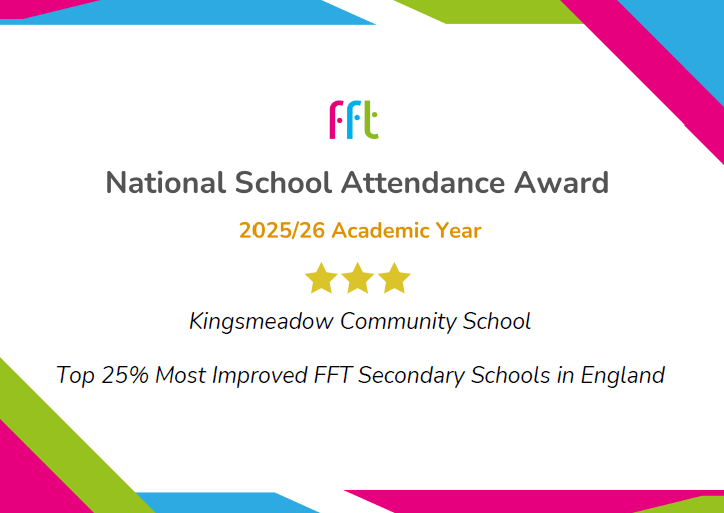
I was so proud to receive a National Award from the Fischer Family Trust (FFT) for Kingsmeadow Community School being one of the most improved secondary schools in England for student attendance.
This shows how well you, the parents and carers, are working with us to make the school a safe and purposeful environment where children want to come and to learn. I appreciate that some days it is difficult to make those tough calls to get your child in when they are a little under the weather. However, the benefit of them being in school is huge. Good attendance has the single biggest impact on making sure that children are successful academically.
Our attendance is improving again this year as you and your children continue to work with us and to show the value you place on a good education. Here are some key attendance messages for each year group, which you can use to continue to encourage the best possible attendance for your child:
- Year 7 and Year 8 Key Assessments in March and April will inform potential set changes and interventions going into the next year, meaning that the time after Christmas is particularly important as they learn and re-learn the important topics. After Easter they are preparing for the increased level of work going into the next year up and so every single lesson counts.
- Year 9 Key Assessments in February will help inform their decisions around taking options later in the year – so every lesson from now until then is vital. Additionally, after those Key Assessments some subjects will start interweaving Key Stage 4 learning into their lessons, meaning that good attendance in the final term of year 9 is vital for their GCSE preparations.
- Year 10 and Year 12 are covering both exam content and coursework modules throughout the year. Missing lessons means missed opportunities to improve coursework, which puts extra pressure on the final exams.
- Year 11 and Year 13 need excellent attendance in the first half of the year to best prepare them for their Mock Exams in January. The results of those exams are a strong indicator of their end of year success and helps them to focus their revision on the key topics. From then to the final exams, starting May, they will be covering vital exams skills and content – so every lesson counts.
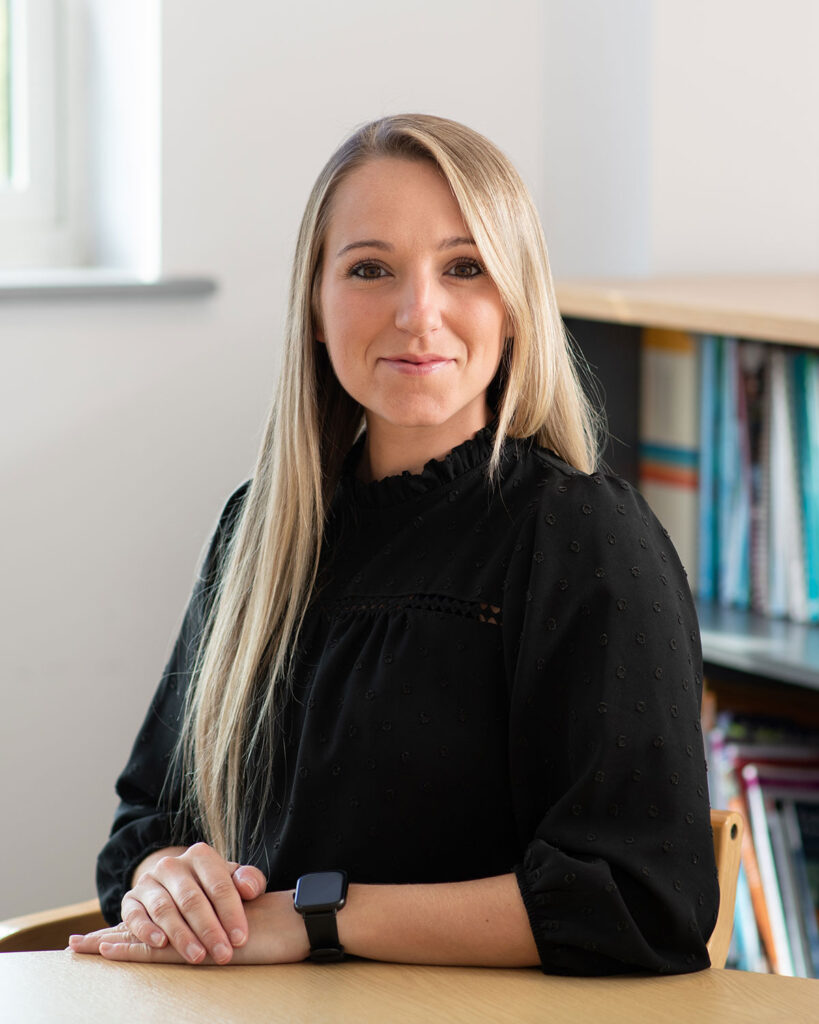
Mrs Lane, Careers, Education, Information, Advice and Guidance Lead – 15 October 2026
Opening doors of future opportunity – our careers education at Kingsmeadow
We are committed to helping every student discover their potential, explore their ambitions and take confident steps towards a successful future. Our comprehensive Careers Education, Information, Advice and Guidance (CEIAG) programme plays a vital role in preparing students for life beyond the classroom.
By providing high-quality careers education, we aim to raise aspirations, build confidence, develop essential skills and equip students with the knowledge they need to make informed decisions about their future education, training and employment.
We explore opportunities and raise aspirations
Our CEIAG programme is delivered across every year group and is an integral part of our curriculum. Through a wide range of activities, students are encouraged to explore different careers, discover their strengths and interests, and consider the many opportunities available to them.
From work-related learning and enterprise education to subject option choices and career exploration, our programme helps students understand how their learning in school connects to the wider world. By making these connections, we aim to increase motivation, encourage ambition and help students recognise the possibilities that lie ahead, both after Year 11 and beyond Sixth Form.
We want every student to feel empowered to explore their interests, challenge themselves and develop a clear understanding of the steps they can take to achieve their goals.
Our guidance is personalised to every student
We recognise that every student has different aspirations, interests and needs. Personal guidance is therefore a key part of our approach, helping students reflect on their abilities, develop self-awareness and build the confidence to make decisions about their future.
These conversations provide valuable opportunities for students to explore different pathways, consider their personal development and identify practical next steps towards their intended destination. By helping students understand the options available to them, we support them in making choices that reflect their ambitions and individual strengths.
Our Careers Advisors also provide dedicated support to Year 11 students through one-to-one guidance sessions. These sessions give students the opportunity to discuss their future aims, explore suitable career pathways and receive support with applications for post-16 courses and further education opportunities.
This personalised approach helps ensure students feel informed, supported and prepared as they approach an important stage in their educational journey.
Preparing students for life beyond school
Our commitment to careers education continues into Sixth Form, where students receive expert guidance as they consider their next steps after Year 13.
Whether applying to university, exploring Higher Level Apprenticeships or considering alternative post-18 education, training and employment opportunities, our students are supported in identifying the pathway that best suits their aspirations.
We encourage students to explore a broad range of possibilities, understand the opportunities available and make decisions that will help them progress towards their chosen destination. By developing their knowledge, confidence and decision-making skills, we aim to ensure they leave Kingsmeadow ready to embrace the challenges and opportunities of adult life.
We build brighter futures together
At Kingsmeadow Community School, careers education is about more than choosing a job. It is about helping young people recognise their potential, develop their skills and feel confident about the future they can create for themselves.
Through our comprehensive CEIAG programme, we strive to ensure that every student has access to the information, advice, guidance and opportunities they need to make informed choices and pursue their ambitions.
By raising aspirations, opening doors to new opportunities and supporting every student to plan their next steps, we are helping our young people build the foundations for bright and successful futures.
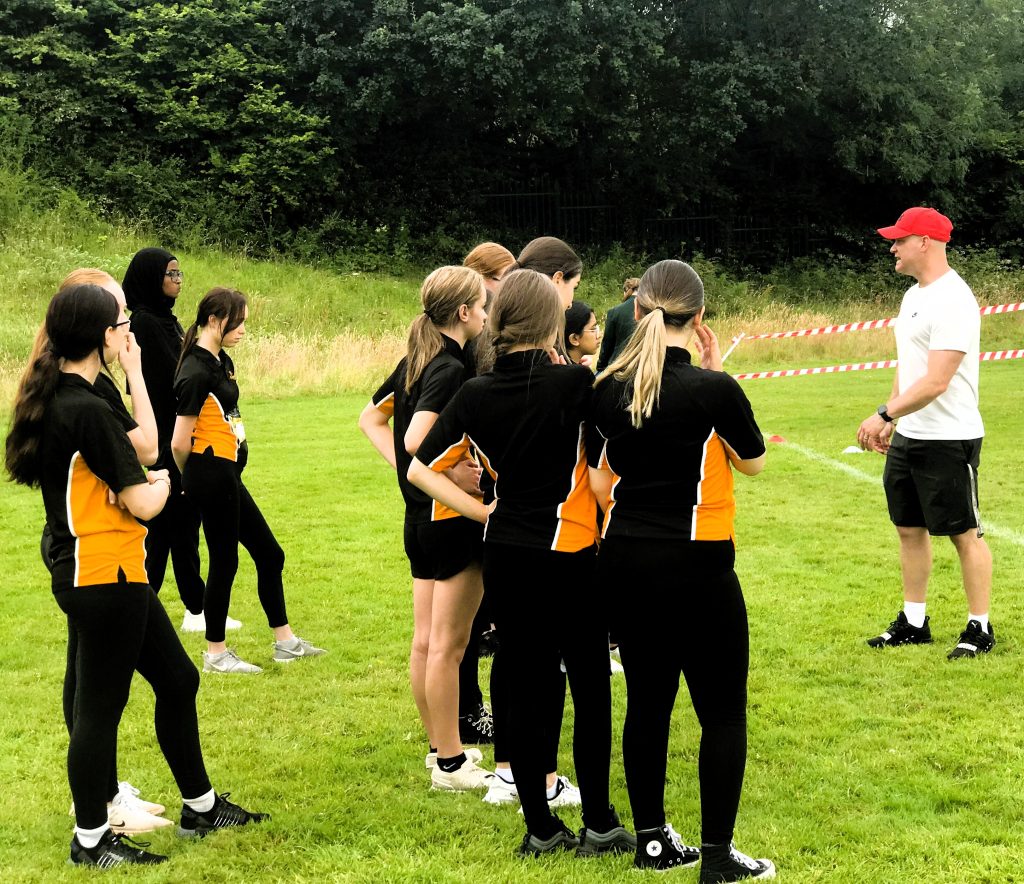
Mr Hardman, Faculty Leader of Sport and Performance – 10 July 2026
Celebrating a phenomenal year of sport and performance
As we fast approach the end of another busy academic year, I wanted to take a moment to look back and celebrate the incredible achievements across our Sport and Performance faculty. Our core focus this year has been on continuous improvement, and I am incredibly proud to say that through the dedication of our staff and the sheer determination of our students, we have seen growth, passion, and success across every single year group.
Striking a chord in music
Our music department has had a truly harmonious year, filled with breath taking showcases and rising engagement. One of our proudest achievements this year has been ensuring that opportunity is open to everyone. To that end, we have hosted incredible music shows every single term—and in every single performance, students who are completely new to performing have taken to the stage. Watching their confidence grow from rehearsals to the final applause has been a massive highlight for the faculty.
We have also developed a wonderful relationship with our local community through our new link with St Nicholas with Christ Church. Our students put on a beautiful performance there just before Christmas, and we are already working hard and looking forward to returning there for our Christmas show later this year!
Behind the scenes, our academic music pathways are thriving:
- Key Stage 4 Music continues to surge in popularity. This rapidly increasing student engagement is a direct result of the fantastic work Mr Ford does with our Key Stage 3 students, alongside the massive array of additional extra-curricular music activities on offer. Thank you, Mr Ford, for inspiring the next generation of Kingsmeadow musicians!
- Our Key Stage 5 Music group is going from strength to strength. They have shown immense dedication this year, working incredibly hard to ensure they achieve the best possible grades.
Flying High in Sport
Over in the PE and Sport department, the energy levels have been through the roof. Our exam cohorts have set a phenomenal standard:
- Our Key Stage 5 Sport group are absolutely flying. They have put everything into their studies and are now excitedly awaiting their Unit 2 exam results, which come out this August. We have every confidence that their hard work will be rewarded.
- Our Key Stage 4 Sport Studies students have been nothing short of magnificent. Based on our current tracking and internal data, we are expecting them to be the top-scoring subject in the school for the second consecutive year! This is a massive achievement and testament to their dedication.
Athletics, competitions, and community spirit
It has been an incredibly busy season for athletics and community sport, with Kingsmeadow students representing us brilliantly at every turn. Our athletes have been out in force competing in the prestigious Gateshead School Athletics Meet, showcasing their speed, strength, and determination against the best in the area. Our younger athletes also shone brightly at the QuadKids Athletics competition, demonstrating fantastic all-around sporting skills.
But it wasn’t just about competing; it was also about leading and supporting. Kingsmeadow proudly hosted the Gateshead School Sports Partnership (SSP) orienteering and athletics events right here on our school grounds. Our students stepped up magnificently to support and lead these primary school events, acting as outstanding role models and ensuring the days ran smoothly.
Unforgettable experiences: from Barcelona to the cricket pitch
It hasn’t just been about local fixtures; we’ve also been broadening our horizons. Earlier this year, we took 64 members of our school community on an unforgettable sports tour to Barcelona! It was a jam-packed itinerary where our students played fixtures against local Spanish sides, completed an intensive training session with professional coaches at the RCD Espanyol training centre, and toured both the iconic Camp Nou and Espanyol stadiums. We also made sure to balance the hard work with fun, spending an action-packed day at a water park and taking part in thrilling water sports at the beach. The behaviour of our students was exemplary, and the memories made will last a lifetime.
Back on home soil, our Year 7 and 8 cricket team recently took part in their first-ever tournament. For many of them, this was their first competitive match, and they performed incredibly well against tough opposition. Most importantly, they had loads of fun, played with a smile on their faces, and showed excellent sportsmanship.
The Grand Finale: Sports Day!
We couldn’t think of a better way to cap off such a successful year than with our ultimate tradition. The final day of term will be our annual Kingsmeadow Sports Day!
This is a true community event: every single student and member of staff will be taking part, and everyone is expected to come into school wearing their PE kit, ready to get involved. The day is fully planned, the competitive spirit is building, and it promises to be an amazing finish to the school year.
I would like to extend a massive thank you to all the parents, carers, and staff who support our faculty day in and day out, and to our students for always demonstrating our core values of respect, resilience, and integrity.
Have a wonderful, active summer break, and we look forward to achieving even greater heights next term!
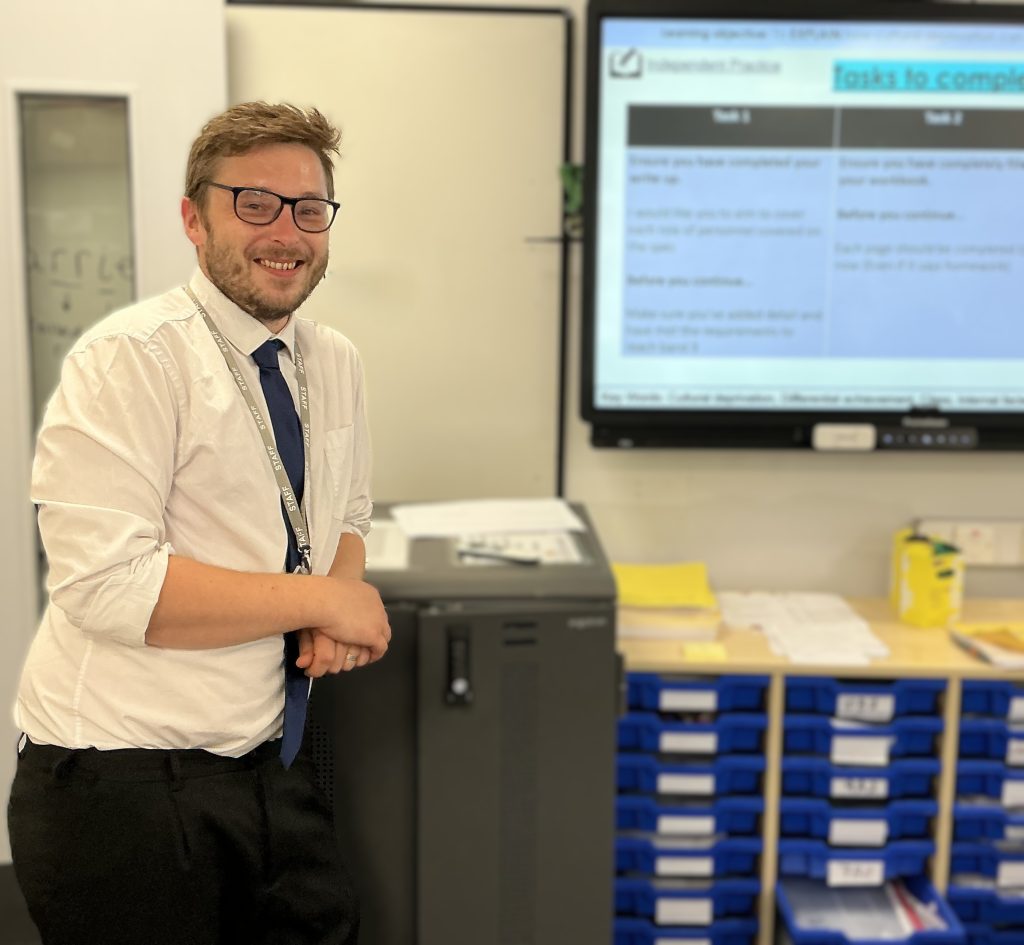
Mr Bell, Head of Social Sciences, 22 June 2026
The Psychology, Sociology and Criminology Department continues to go from strength to strength, providing students with a diverse, engaging and academically challenging curriculum. As our department has developed, we have expanded both our curriculum offer and our enrichment opportunities, ensuring students have access to a wide range of experiences that support their academic and personal growth.
We are proud to offer a broad and ambitious range of qualifications across Key Stage 4 and Key Stage 5 including GCSE Psychology, GCSE Sociology, A Level Psychology, A Level Sociology, and Level 3 Criminology.
Recent years have seen significant growth within the department, including the introduction of GCSE Psychology and Level 3 Criminology. These additions have broadened the pathways available to students, allowing them to explore subjects that are increasingly relevant to understanding the complexities of human behaviour, society and the criminal justice system.
Our subjects encourage students to think critically, analyse evidence, challenge assumptions and engage with contemporary issues. Whether investigating psychological explanations of behaviour, examining social inequalities or exploring criminal cases, students develop skills that are highly valued by universities and employers alike.
Alongside the expansion of our curriculum, we have significantly enhanced our extracurricular and enrichment offer, providing students with opportunities to engage with their subjects beyond the classroom.
This year, we successfully introduced our GCSE Sociology Conferences, creating a unique opportunity for students to explore contemporary social issues in greater depth. Through discussion, debate and critical analysis, students were encouraged to engage with real-world sociological topics and develop a deeper understanding of the subject. The conferences have been a fantastic addition to our provision and have received extremely positive feedback from students.
In addition, we are proud to participate in the BAR Mock Trial initiative. This exciting programme enables students to experience the legal system first-hand by taking on courtroom roles, analysing evidence, preparing legal arguments and presenting cases. Participation develops confidence, teamwork, public speaking skills and a deeper understanding of the justice system, making it particularly valuable for students studying Criminology and Sociology.
These experiences complement classroom learning and help students develop the confidence, resilience and critical thinking skills needed for future study and employment.
The knowledge and skills developed through Psychology, Sociology and Criminology open doors to a wide variety of career pathways, including psychology and mental health professions, social work and community services, teaching and education, law and criminal justice, policing and forensic investigation, human resources, and business management.
Beyond specific career routes, our subjects help students become informed, reflective and socially aware individuals who are equipped to navigate and contribute positively to an increasingly complex world.
As the department continues to grow, we remain committed to providing engaging learning experiences, supporting student success and creating opportunities that inspire curiosity about people, society and the world around us.
We are excited to see increasing numbers of students choosing our subjects and look forward to continuing to develop the department in the years ahead.
Mrs Moon, Head of Business and Computing, 9 June 2026
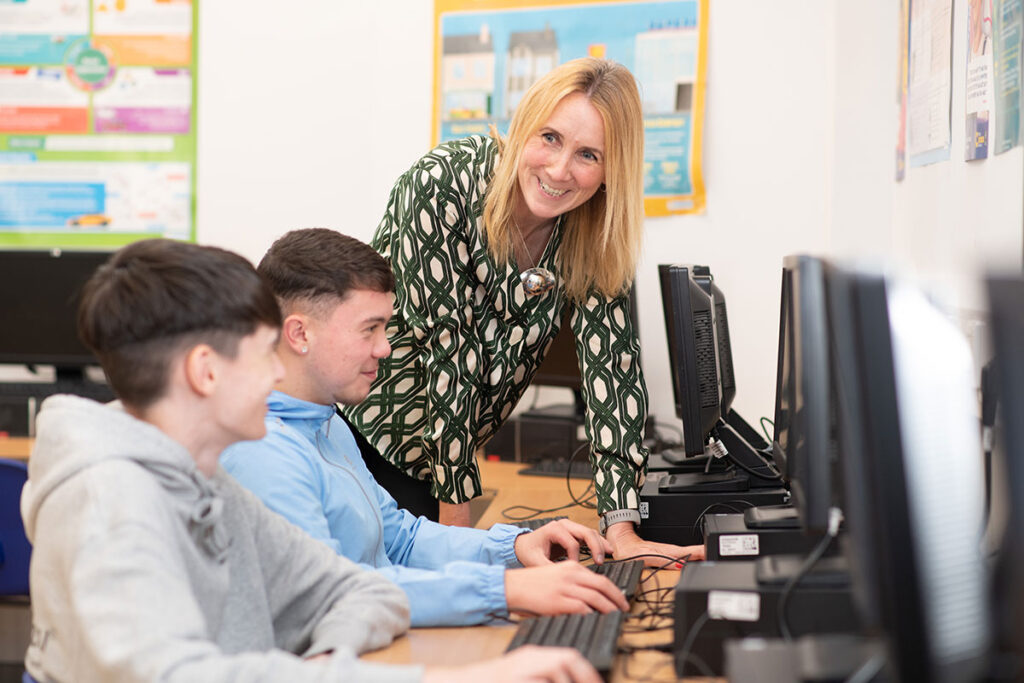
It has been a brilliant year in the Business and Computing department, and there is much to celebrate as we head into the summer term and next academic year.
Our Key Stage 4 iMedia and Computing students have taken part in an exciting AI workshop this term, exploring how artificial intelligence is transforming the modern world through hands-on activities and real tools. Meanwhile, Key Stage 3 classes have been building their knowledge of cyber security and are now competing against one another in a year group competition. It has been fantastic to see the enthusiasm and healthy rivalry on display.
We are also incredibly proud of our Key Stage 4 and Key Stage 5 Business and iMedia students, who have successfully completed their coursework to a very high standard. The effort and creativity they have demonstrated throughout has been outstanding.
In taking our learning opportunities outside of the classroom, our Key Stage 5 Business students enjoyed an excellent visit to Vertu Motors earlier in the year, gaining a fascinating insight into how a major UK business operates in a competitive market. Planning is also well underway for our Key Stage 3 Disneyland Paris trip, and we are beyond excited to announce that Key Stage 5 Business students will be heading to New York next year for an incredible opportunity to experience business on a global stage.
A special mention must go to our Year 11, 12 and 13 students, who are sitting their external examinations this term with real focus and determination. As we eagerly await their results, we have every confidence that their hard work will be reflected in their grades.
We are all so proud of everything our students have achieved this year. There is so much still to look forward to, and we cannot wait for what comes next.
Mrs Vincent, Head of History, 5 June 2026
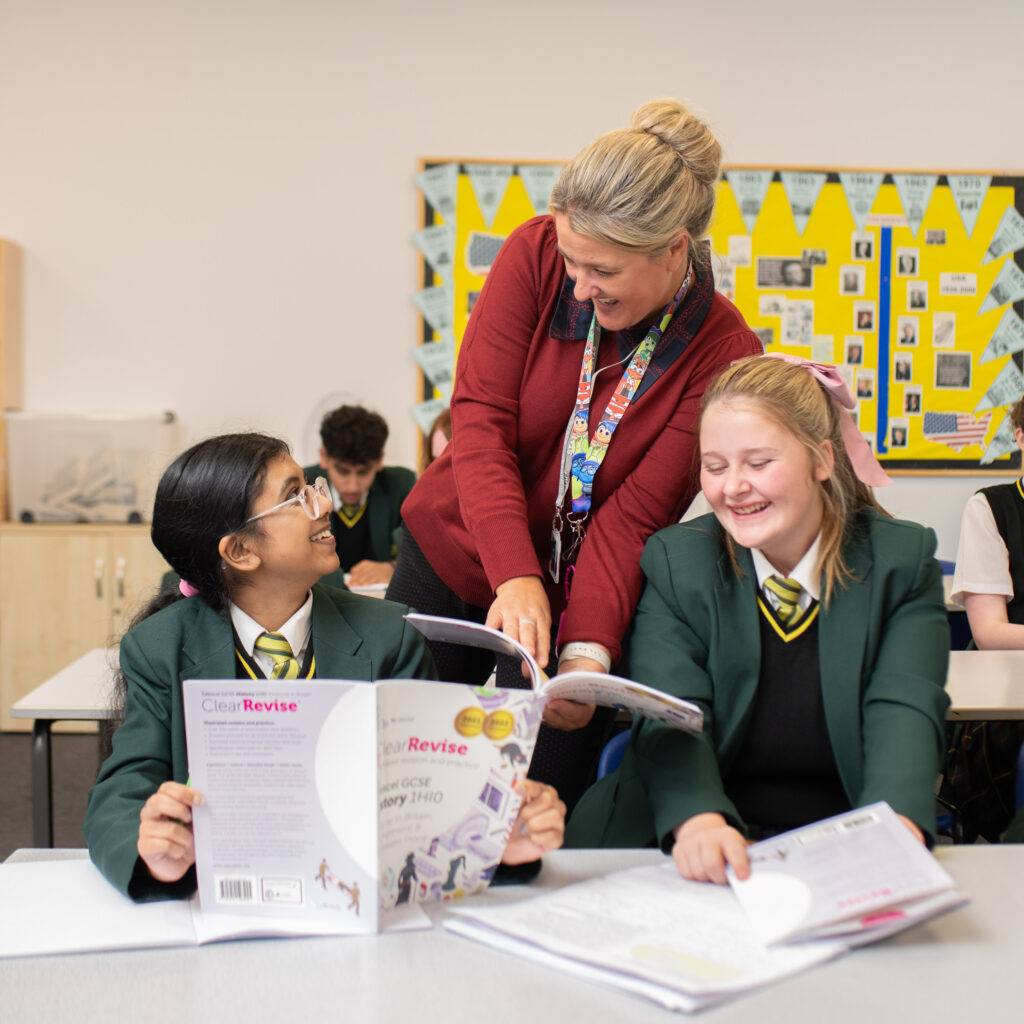
History is so much more than a list of dates, dead people and battles to be memorised it is some of the best stories in the world!
At Kingsmeadow, History is about inspiring students, not boring them with facts and statistics about the olden days, but sparking their imagination, encouraging questions and debate, making the past relevant to today.
This year our KS3 students have engaged in studies and enquiries that include deadly diseases, wicked witches, serial killers, weapons and warfare and much more. The students have excelled beyond simply absorbing information, but being able to research, argue, analyse and appreciate changing attitudes over time. Skills that are transferable into the real world and not just in the history classroom.
In a world of technology, smartphones and social media it is important to bring the stories of history to life and Year 11 were given the opportunity to do so with their participation in the Holocaust Educational Trust Programme, Testimony 360. Students across the year group were privileged to engage with the story of holocaust survivor Manfred Goldberg, using virtual reality technology and eyewitness testimony to ask questions and interact with survivors of the Holocaust without leaving the classroom.
At KS5 this year 6 students were given the opportunity to participate in the Lessons from Auschwitz Project, interacting with Holocaust survivors, members of the Jewish community and visiting Auschwitz-Birkenau Memorial in Poland. An experience that although emotionally challenging, took textbook history into a personal reality, reminding us that every victim had a life, dream and family.
I am so very proud of all of our history students at Kingsmeadow and look forward to sharing more exciting stories from history next year.
Mrs Dawson, Head of Geography, 12 May 2026
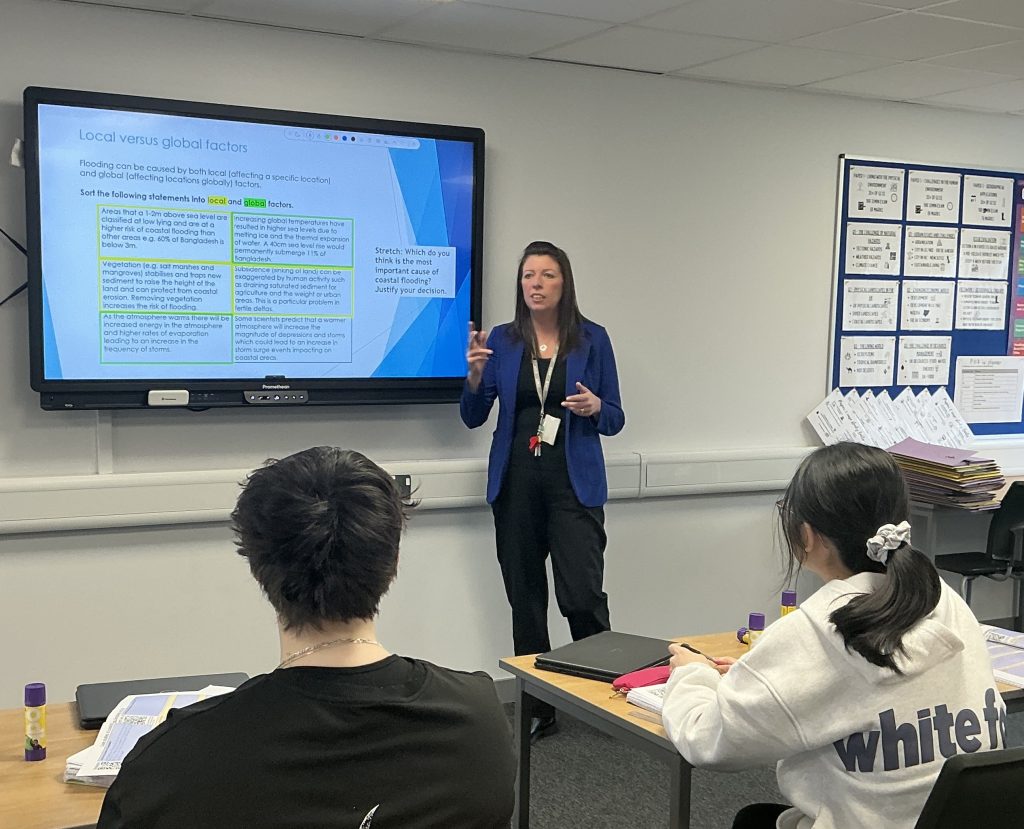
Inspiring the next generation of global thinkers
Geography continues to thrive at Kingsmeadow School as we move through a busy and exciting summer term. Our Year 11 students have now begun their GCSE examinations, drawing together two years of learning on topics such as climate change, coastal systems, urban development and global inequalities. It is always rewarding to see students applying their knowledge to real-world issues and demonstrating the analytical and evaluative skills that Geography develops so effectively.
Further down the school, Year 10 are preparing for their upcoming fieldwork to Lanchester and the River Browney in the coming weeks. This investigation will allow them to apply classroom theory to a real river environment, collecting and analysing data to understand fluvial processes and human impact. On a side note, it also allows students to visit the famous butchers in Lanchester Village who do the most amazing food!
Earlier in the academic year, our Year 7 students undertook geographical fieldwork during the Autumn term, gaining their first experience of collecting primary data and exploring their local environment through a geographical lens. Year 8 students have been working hard on topics including India, rivers and Russia, developing their knowledge of both human and physical geography, as well as data interpretation and map skills.
The Spring term was also an important milestone for our Year 9 cohort, who selected their GCSE options. Geography remains a popular choice, reflecting both students’ enjoyment of the subject and its relevance in today’s world.
At Sixth Form, our Year 12 students have undertaken field trips to Newcastle, Amble and the Lake District, gaining invaluable practical experience and enhancing their understanding of urban, coastal and mountainous environments……all good experiences to help them decide on their enquiry question for their NEA (Non-Examined Assessment).
At Kingsmeadow School, we are proud of the curiosity and global awareness our students demonstrate. Geography encourages them to question, to evaluate evidence carefully and to consider their role in shaping a sustainable future.
As the academic year progresses, we look forward to celebrating the achievements of our students….. we know they will do themselves proud!
Mr Reid, Head of Modern Foreign Languages, 29 April 2026
As we start the summer term, our Spanish teachers continue to focus on providing students with the knowledge and skills needed to secure academic success. At Kingsmeadow Community School, we are proud that Spanish is studied by all students at GCSE, and that learners of all abilities and backgrounds achieve highly. In 2025, 78% of our students achieved a grade 4 or higher, surpassing the national average. The impact this has on shaping students’ future pathways is something that inspires us greatly.
This week, our year 11 and 13 students will sit their Spanish Speaking Exams. We have been impressed by students’ application of knowledge as they refine their speaking skills, revisit key vocabulary and practise examination techniques. We know that consistent effort and regular revision will place them in a strong position for success, and we look forward to supporting them.
Further down the school, we want to help students see that language learning opens doors to travel, employment and greater understanding of the wider world. In the lead-up to the Easter holidays, students in Key Stage 3 engaged in cultural learning focused on how Easter is celebrated in Spain, learning about the significance of Semana Santa and the vibrant religious processions seen in cities such as Seville.
Learning a language not only develops communication skills, memory, problem-solving ability but cultural awareness — all of which are invaluable for future success. We look forward to another successful term as students continue to embrace the challenge of learning a new language.
Mr Fenwick, Head of Science, 20 April 2026
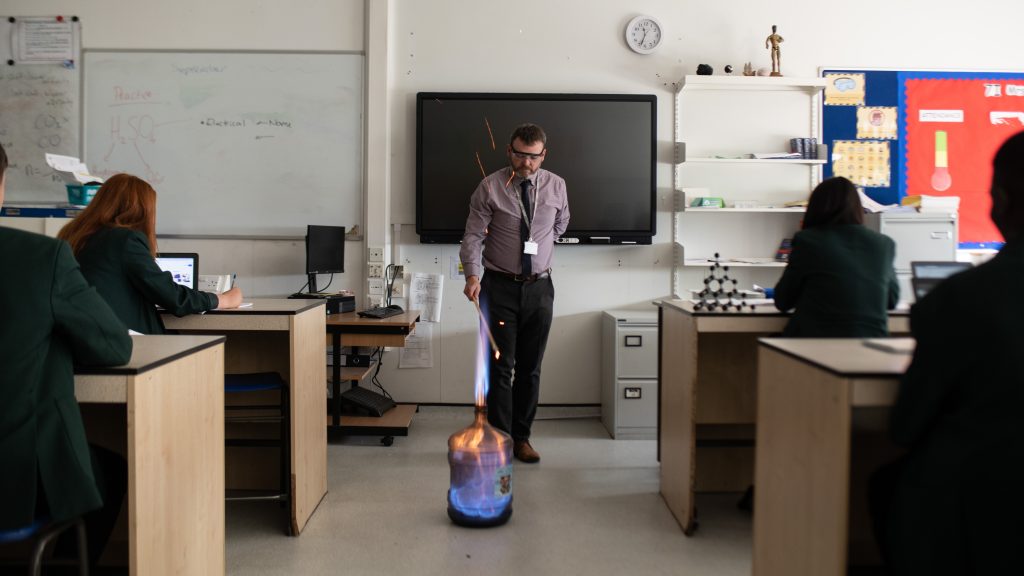
We inspire curiosity in our science lessons, because science is more than a subject taught in school – it is a way of understanding the world. From the way plants grow to how electricity powers our homes, science explains many of the everyday phenomena around us. As a teacher, my goal is not only to teach facts and theories but also to inspire curiosity and build a growth mindset in science learning.
Curiosity is at the heart of scientific discovery. Many of the greatest scientific breakthroughs began with simple questions such as “Why does this happen?” or “What would happen if…?” When students develop curiosity, they begin to explore ideas more deeply and become active learners rather than passive listeners.
Encouraging curiosity in the classroom helps our students to develop important skills such as critical thinking, observation, and problem solving, and our team of science teachers achieve this by making their lessons highly engaging through hands-on learning. Our students actively participate in experiments and investigations, and this helps them to understand and remember scientific concepts.
At Kingsmeadow we also work hard to encourage the scientists of the future by showing our students the many opportunities that science offers. Careers in medicine, engineering, environmental science, and technology all rely on scientific knowledge. By sharing real-world examples and stories of scientific discoveries, we motivate students to explore future careers in science.
Teaching science is about more than covering the curriculum. It is about encouraging students to ask questions, investigate ideas, and develop a lifelong curiosity about the world around them.
When students see science as a process of discovery rather than just a subject to study, they begin to appreciate the excitement and importance of scientific thinking. And that curiosity may one day lead them to become the scientists, innovators, and problem-solvers of the future.
Mrs Fenwick, Head of Mathematics, 30 March 2026
Mathematics is often seen by students as a difficult subject filled with formulas, rules, and calculations. Many learners ask the same question: “When will I ever use this in real life?” As a maths teacher, one of my main goals is to show students that mathematics is not just about numbers on a page, it is a powerful tool for understanding the world around us.
To help students learn more effectively, my team of maths teachers and I focus on conceptual understanding before introducing complex procedures. Instead of jumping straight into formulas, we encourage students to explore patterns, ask questions, and discuss their thinking. When students understand why something works, they gain confidence and become more willing to tackle challenging problems.
Engagement is another key factor in successful maths learning. A classroom where students are curious and active is much more effective than one where students only listen to explanations. We use math puzzles, brainteasers, games, and encourage our students to take part in competitions. These activities help students see mathematics as something exciting rather than something to fear.
One of the most important messages I try to share with my students is that everyone can improve in mathematics. Being good at maths is not about being naturally smart; it is about practice, effort, and persistence. When students believe they can improve, they become more willing to try difficult problems and learn from mistakes.
Teaching mathematics is not just about helping students pass exams. It is about helping them develop logical thinking, problem-solving skills, and confidence in their abilities.
At Kingsmeadow we teach maths in a meaningful and engaging way, helping our students to see it not as a difficult subject but as a fascinating language that helps us understand patterns, solve problems and explore the world, and I’m very proud of how our students recognise this and come to their lesson prepared to work hard and enjoy their learning.
Mrs McGarry – Head of English, 15 March 2026
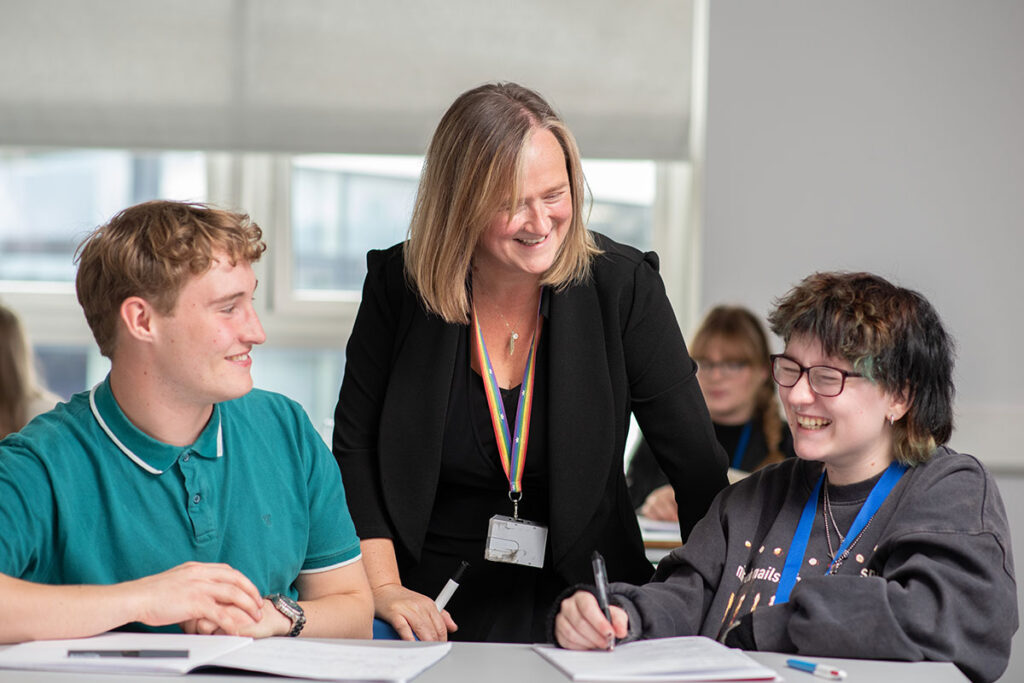
It’s a busy time in the English department as we approach the end of the spring term. Our Year 11 and 13 students have completed their mock exams and are preparing themselves for their final examinations, supported by staff and peers; Year 7 and 8 students have been reading widely both at home and in Accelerated Reader lessons and, with almost two weeks left to achieve their reading targets, are still in with a chance of qualifying for the termly reading celebration event, hosted by Miss Brown and Miss Jefferson. Year 9 students have just completed their key assessments and are beginning to study literary tragedy – an exciting unit of work that will prepare them for the rigour of GCSE English literature by allowing them to contemplate the human condition and explore thought-provoking themes such as fate and morality; whereas Year 10 students are already versed in tragedy and are now beginning their journey of conflict, ambition and fate within the play, ‘Macbeth’.
Outside of lessons, some Year 9 students were given the opportunity to work with authors from Dingy Butterflies on the ‘Travel Through Tyne’ project this term, and this gave them the chance to reflect on the River Tyne through the ages in their creative writing. Much fun was had by all and the work produced demonstrated both insight and writing skill. Similarly, students in Miss Graham’s extracurricular creative writing group continue to flourish, submitting and being shortlisted for regional, national and even international creative writing competitions. Well done to all those who attend the group on Monday afternoons.
As this year is the National Year of Reading, we’ve been encouraging staff and students to recommend their favourite books and stories to inspire each other to ‘Go All In’ and read or discuss creative narratives. With this in mind, some Year 12 students visited our weekly tutor reading sessions and shared their favourite texts with Key Stage 3 students. Also, on World Book Day, students were asked to explore their reading journeys to date in English lessons, thinking about which literary journeys might intrigue them next. Independent reading is hugely beneficial in terms of vocabulary, comprehension, attention and wellbeing, and, therefore, we support the national campaign aimed at helping everyone to rediscover their love of reading. And, with this in mind, we look forward to the redevelopment of our library this year, which will house an impressive array of fiction and non fiction texts that will, hopefully, inspire the next generation of readers to think creatively, compassionately and critically. Look out for further updates soon!