
Science
Our science studies forge positive connections with pupils, so they achieve independence, self-confidence and scientific academic knowledge. In science we aim to develop resilient, well-rounded students, who can adapt in an ever-changing world by linking the science curriculum to relevant real-world experiences.
Key Stage 3: Year 7, 8 and 9 students
At Key Stage 3, students follow an interconnected science curriculum covering biology, chemistry and physics. Key ideas are revisited regularly so that students can build on what they have already learned, developing greater depth and confidence as they progress through the school.
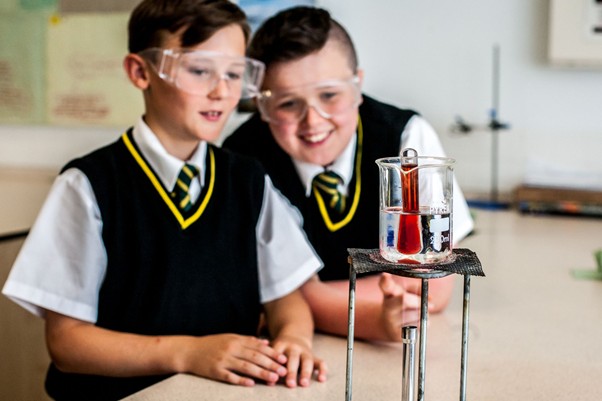
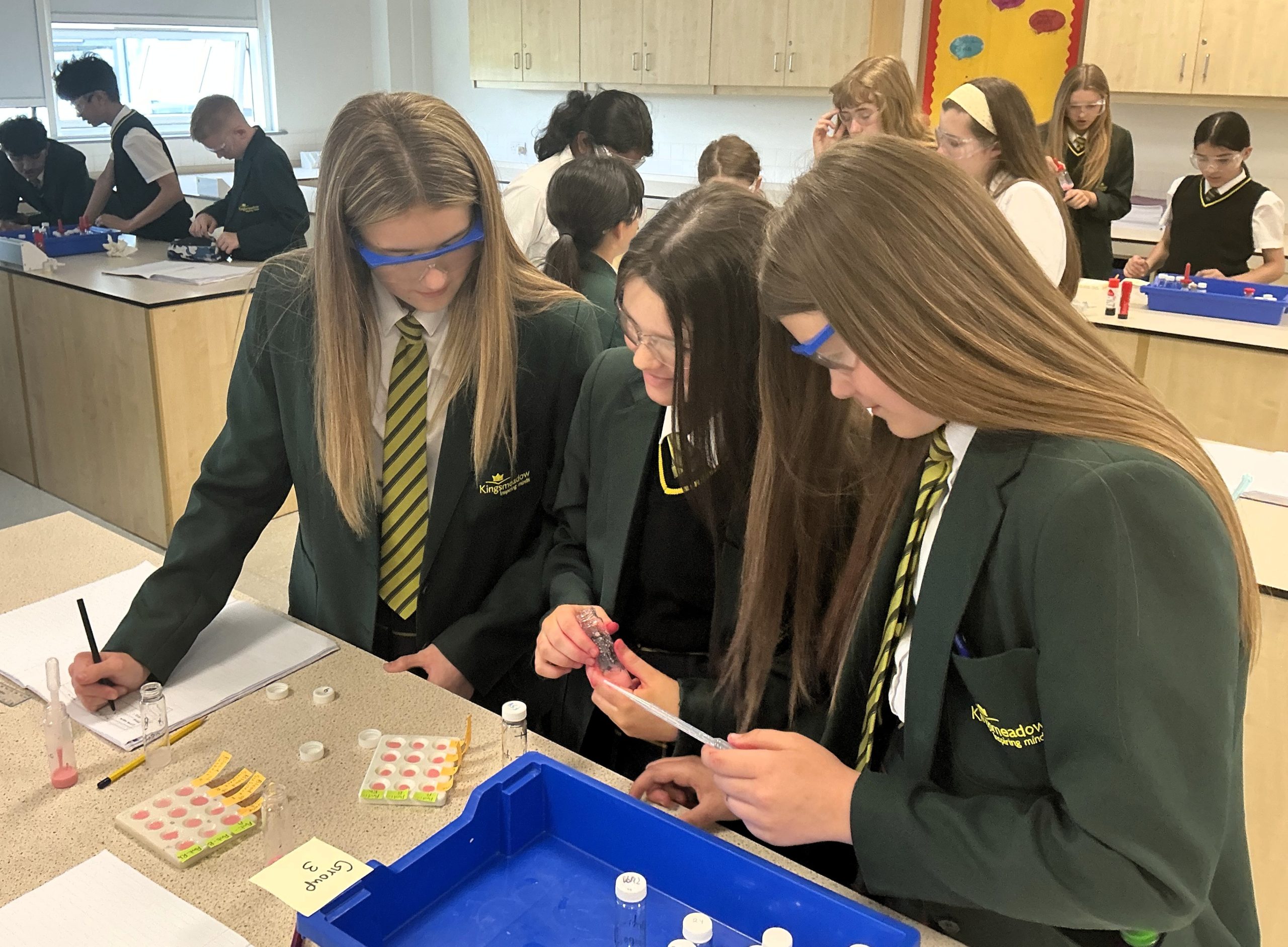
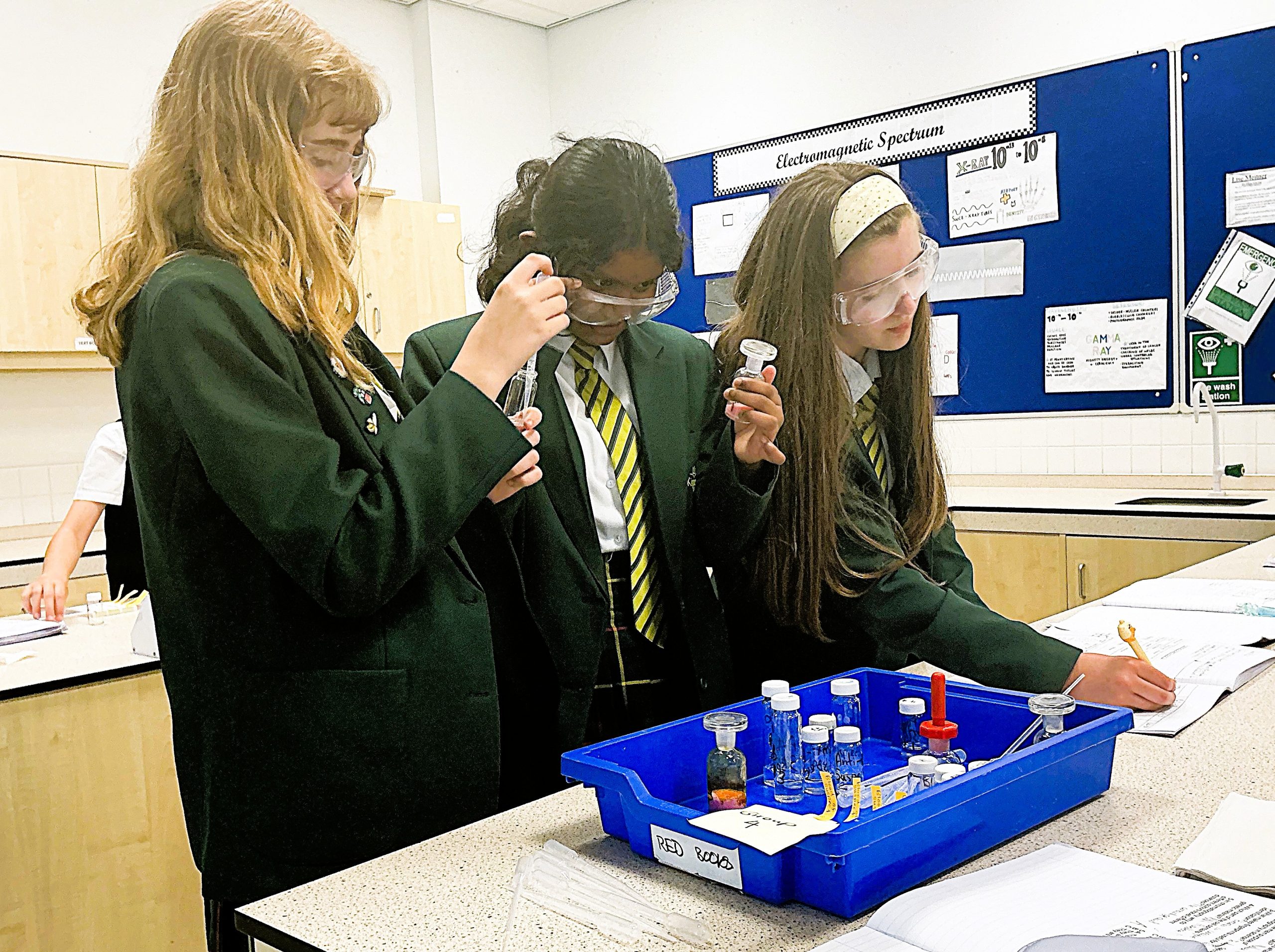
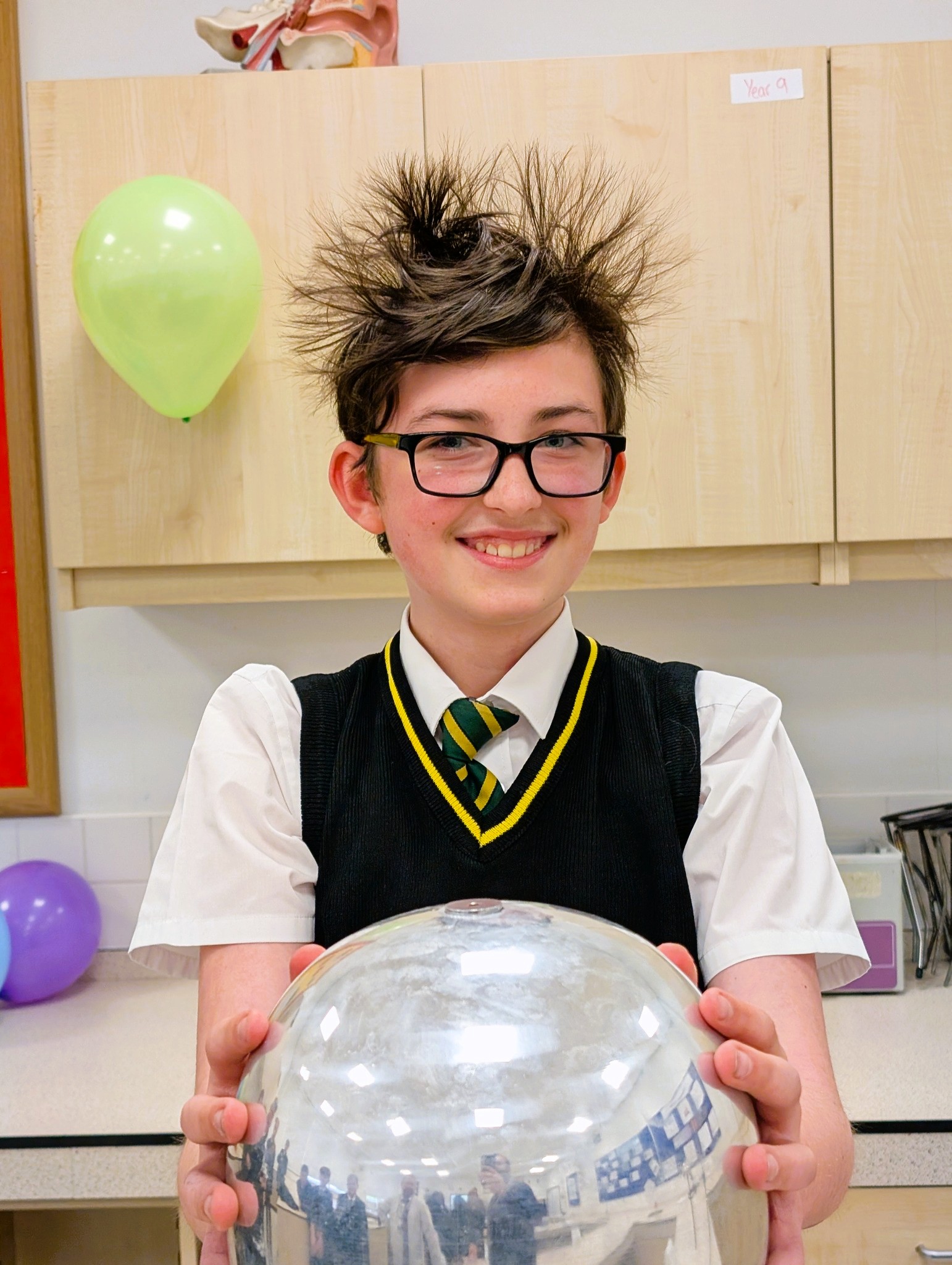
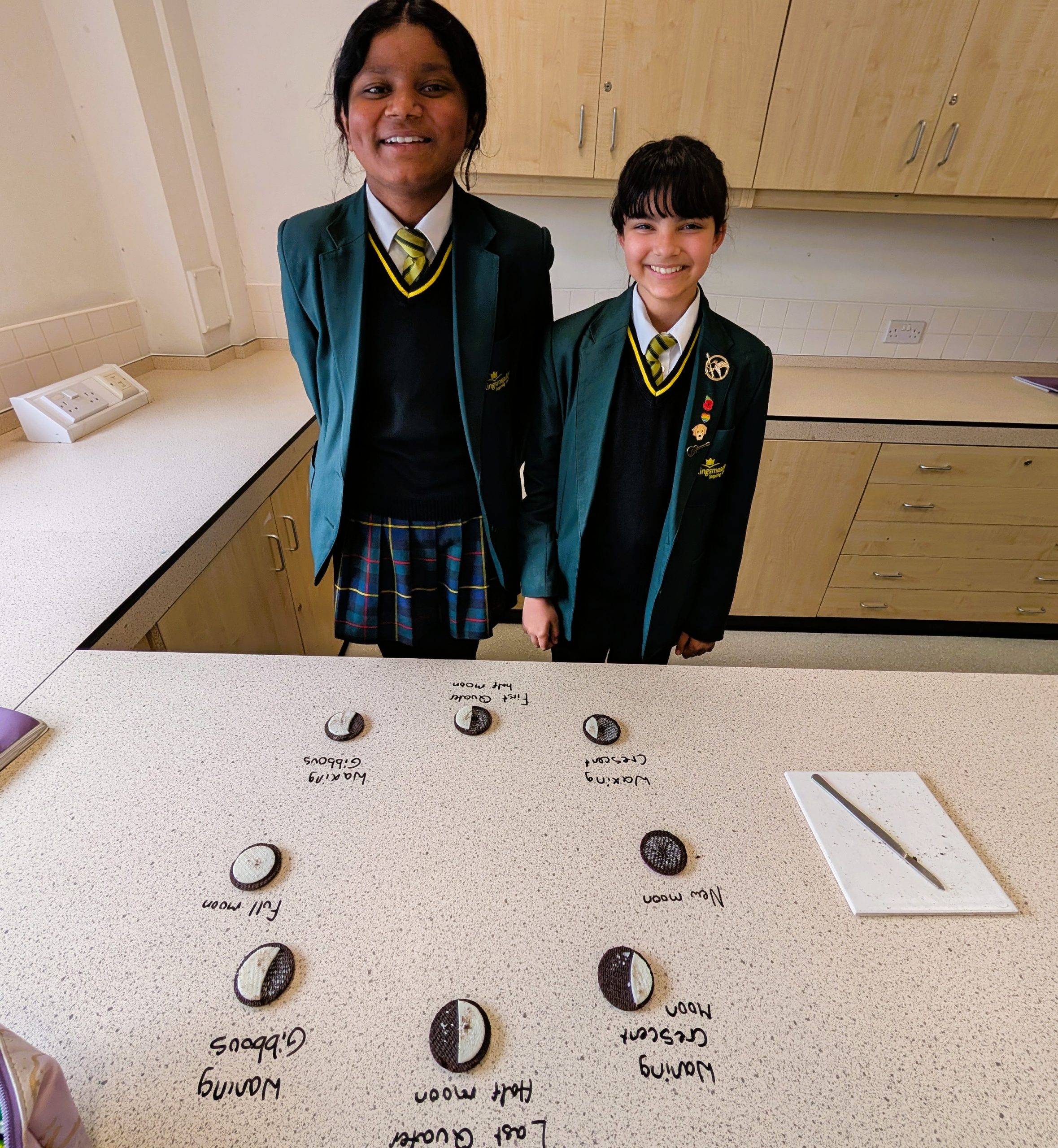
Practical science is an important part of the curriculum. In Year 7, students are introduced to working safely in a laboratory and begin to develop essential practical and investigative skills. These skills are progressively developed throughout Years 8 and 9, with students becoming increasingly independent in planning, carrying out and evaluating scientific investigations.
Students also develop their ability to use scientific vocabulary, read and communicate scientifically, and apply mathematics to scientific problems. These skills are embedded throughout the curriculum and become increasingly challenging as students progress.
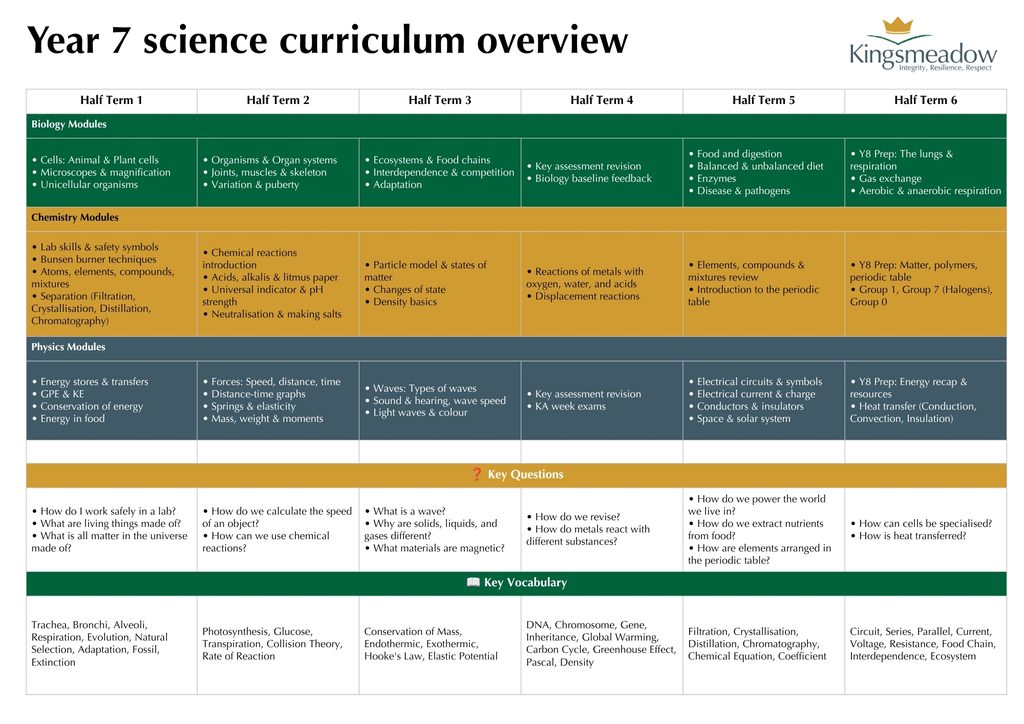
Year 7
Students are introduced to the key ideas and skills that form the foundation of their science education. They learn how to work safely and effectively in the laboratory while developing their understanding of fundamental concepts in biology, chemistry and physics.
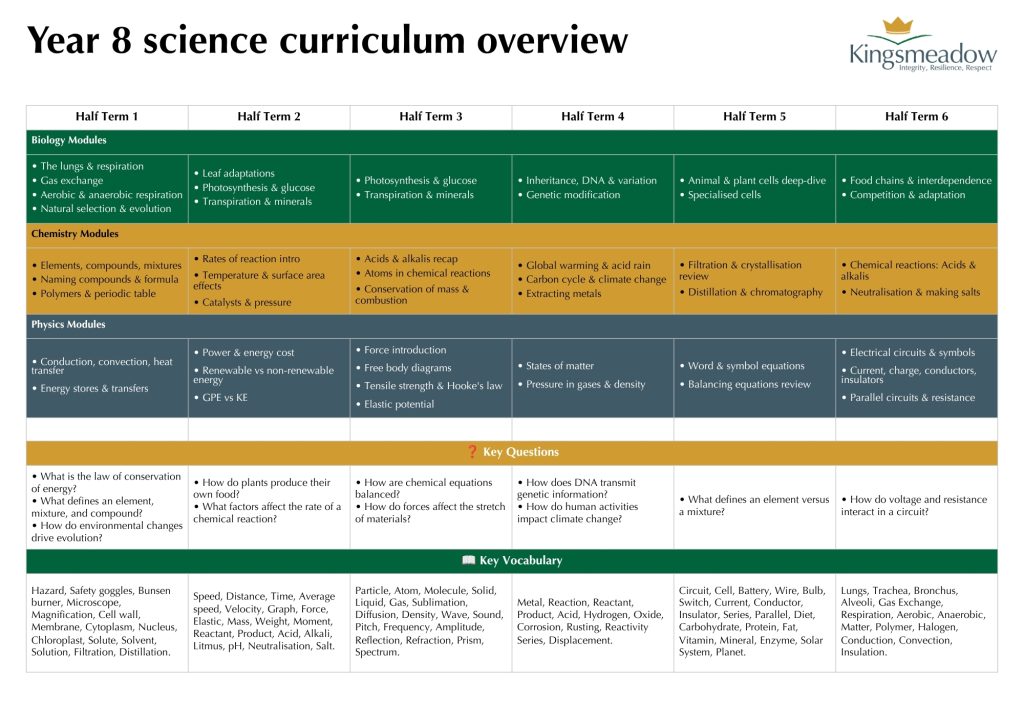
Year 8
Students build on the knowledge and practical skills developed in Year 7. They revisit important concepts and develop greater confidence in applying their knowledge to scientific questions and investigations.
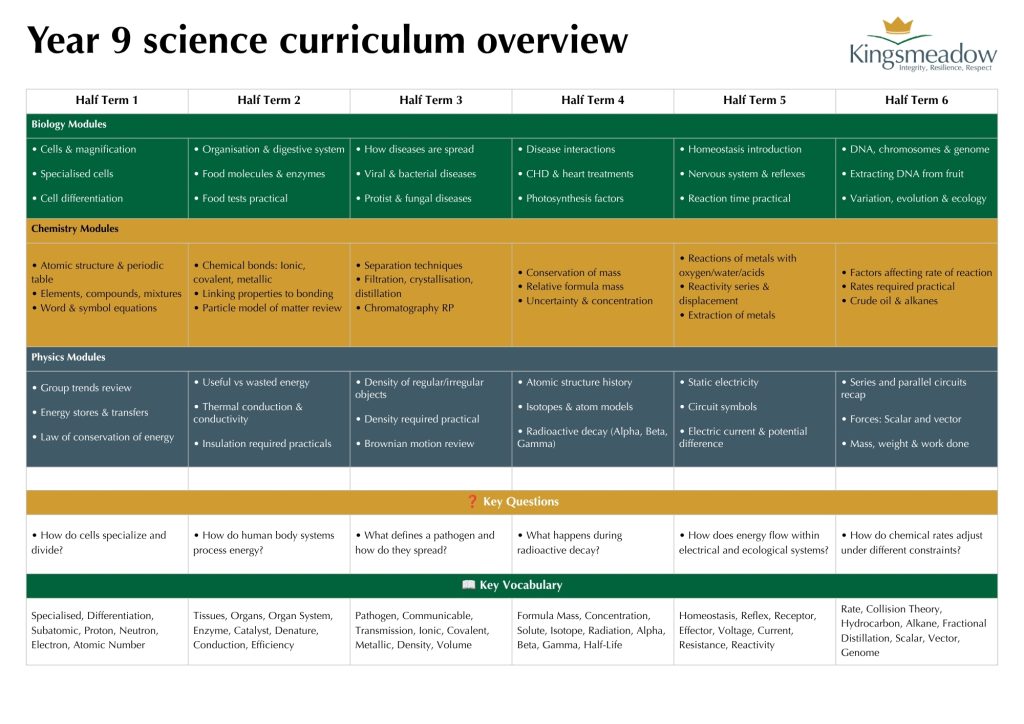
Year 9
Year 9 provides an important bridge between Key Stage 3 and GCSE. Students revisit and extend their understanding of science from Years 7 and 8 while tackling increasingly complex questions and applying their knowledge to unfamiliar situations. This helps prepare students for the different GCSE pathways they will follow in Years 10 and 11.
Key Stage 4: Year 10 and 11 students
At Key Stage 4, all students continue to study biology, chemistry and physics. Students follow the GCSE pathway that best supports their individual needs and future aspirations.
GCSE separate sciences
Students studying separate sciences take:
- AQA GCSE Biology
- AQA GCSE Chemistry
- AQA GCSE Physics
Each subject leads to a separate GCSE grade. Students complete two examination papers in each science, with Higher Tier available.
AQA Combined Science: Trilogy
Students studying Combined Science continue to develop their knowledge across biology, chemistry and physics. They complete two examination papers in each discipline and receive a qualification worth two GCSE grades. Both Foundation and Higher Tier pathways are available.
Practical science
Practical work remains a central part of science throughout Key Stage 4. Students develop their ability to plan investigations, collect and analyse data, evaluate evidence and draw scientific conclusions.
Students complete the required practical activities for biology, chemistry and physics. The knowledge and skills developed through these practical activities can be assessed in their GCSE examinations.
Developing skills for the future
Throughout Key Stage 3 and Key Stage 4, students develop more than scientific knowledge. They strengthen their literacy, scientific vocabulary, numeracy, problem-solving and analytical skills.
Our aim is for students to leave Kingsmeadow with the knowledge, skills and confidence to understand scientific ideas, question evidence and apply their learning to the world around them.


