Mathematics
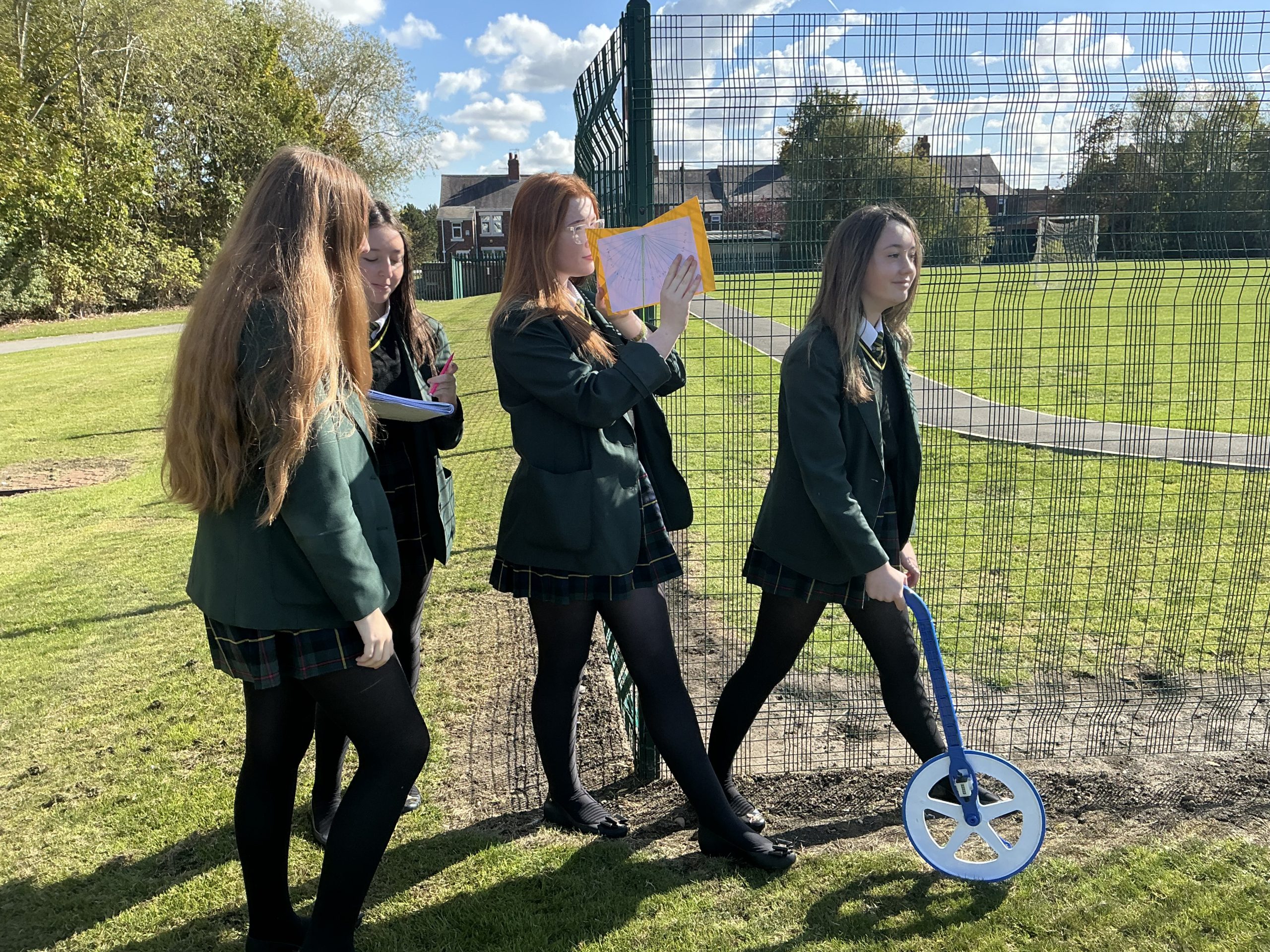
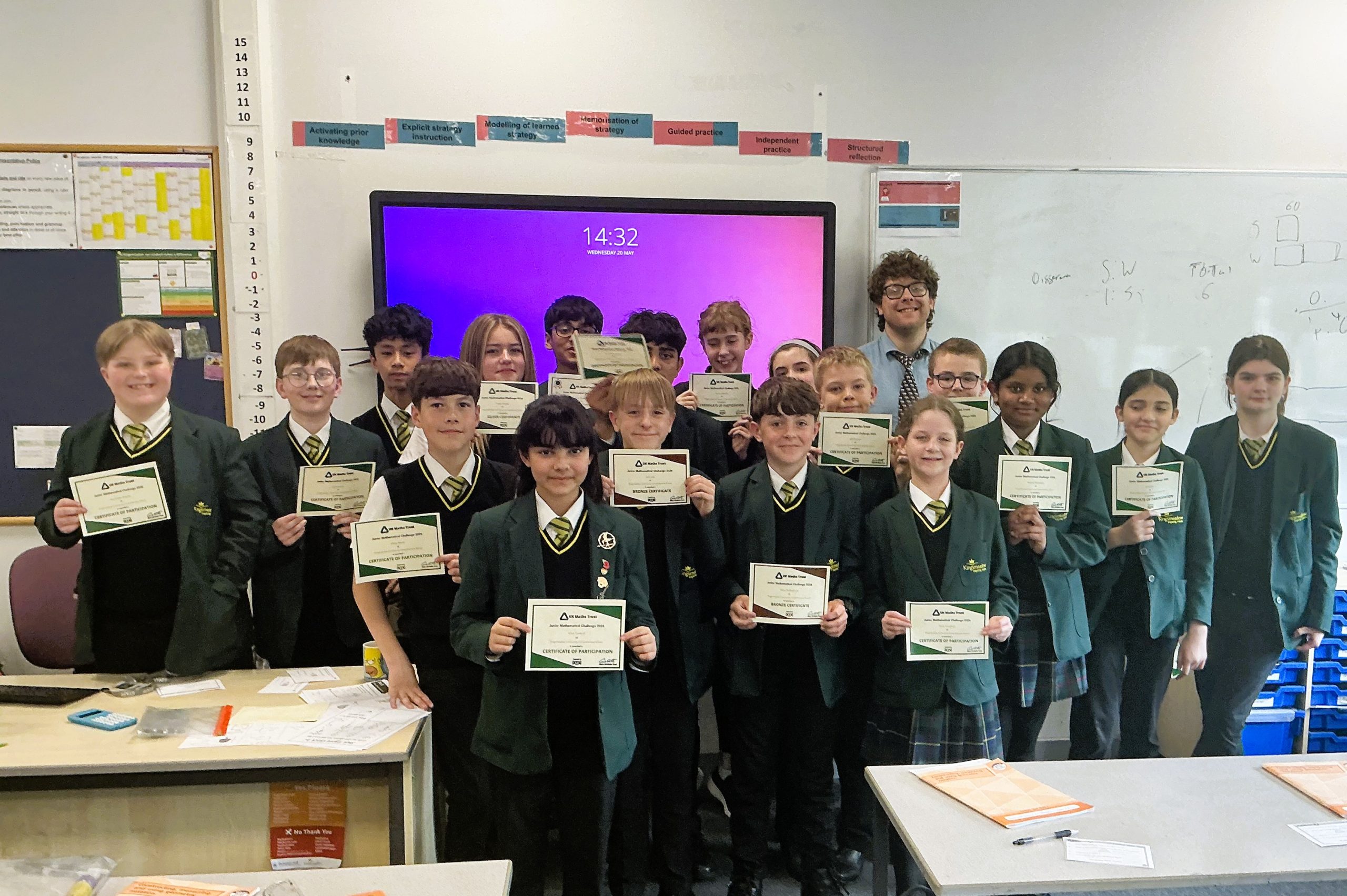
Our Mathematics Department is committed to developing students who are enthusiastic, independent, inquisitive and resilient learners. We aim to foster a positive attitude towards mathematics, encouraging students to see the subject not simply as a collection of rules and procedures, but as a discipline that develops logical thinking, problem-solving skills, creativity and confidence.
We want every student to recognise that mathematics is an essential part of everyday life and an important foundation for future study and employment. Through high-quality teaching, carefully structured resources and regular opportunities to practise and apply their knowledge, students are supported to make sustained progress and achieve their full potential.

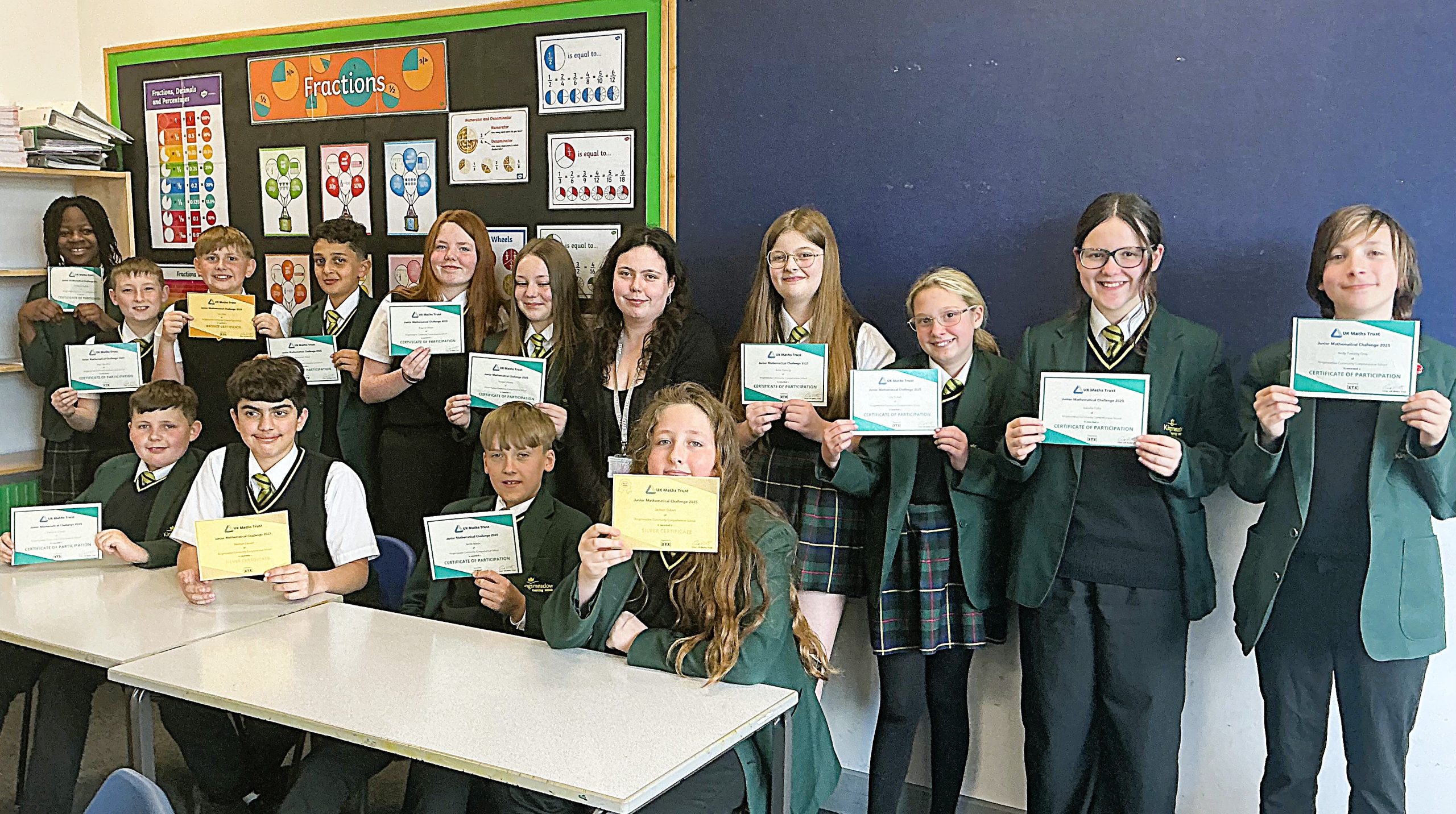
Year 7, 8 and 9 students
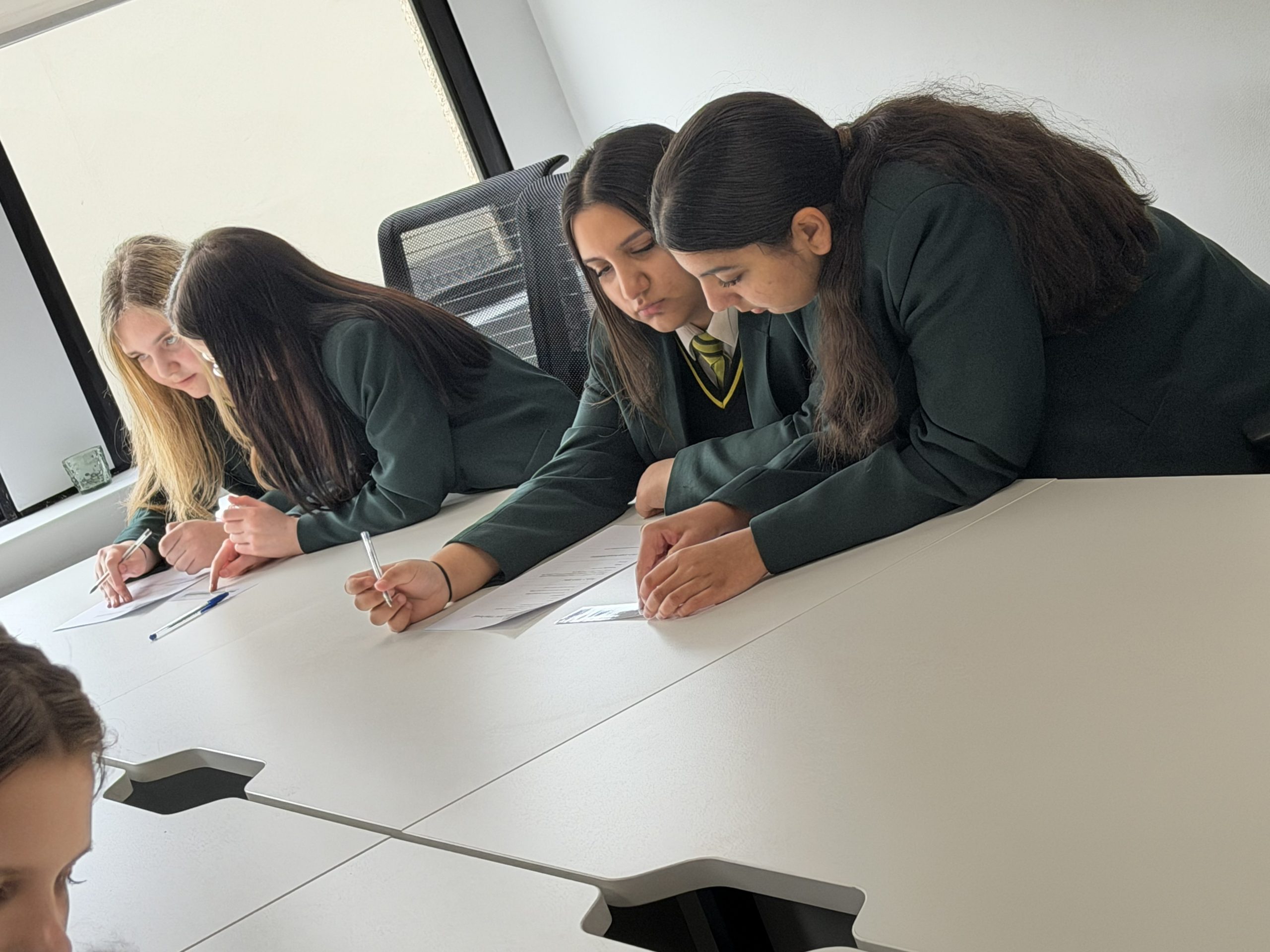
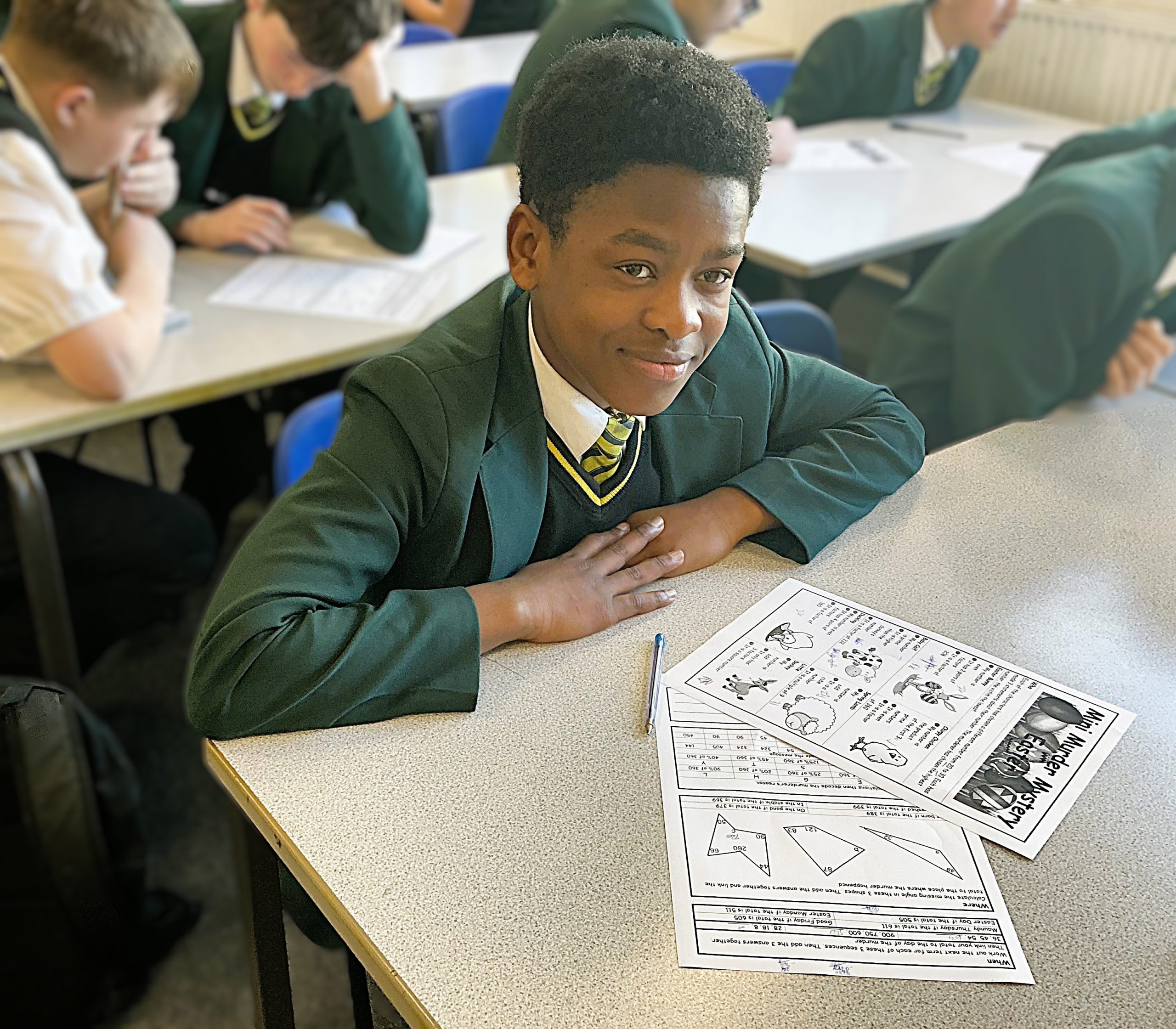
In Years 7, 8 and 9, our teachers deliver the curriculum through a mastery approach. Key topics are studied in greater depth, allowing students to develop a secure and meaningful understanding of mathematical concepts rather than gaining only a superficial knowledge of individual procedures.
Students are given regular opportunities to revisit and consolidate important knowledge, helping them to become increasingly fluent and confident in the fundamentals of mathematics. Alongside developing their mathematical fluency, students build a strong conceptual understanding through reasoning, discussion and the exploration of different methods.
Our curriculum encourages students to explain their thinking, justify their answers and make connections between different areas of mathematics. They also develop their ability to recall key facts and methods rapidly and accurately, before applying this knowledge to increasingly challenging problems and unfamiliar contexts.
By developing these skills throughout Key Stage 3, students establish the strong mathematical foundations they need for success at GCSE and beyond. We also place a strong emphasis on resilience, encouraging students to persevere when faced with challenging problems and to understand that making mistakes is an important part of the learning process.
Year 10 and 11 students
In Years 10 and 11, students build on the secure foundations developed during their earlier learning, adding greater breadth and depth to their mathematical knowledge and understanding. Our curriculum is designed to prepare students thoroughly for their GCSE assessments while also developing the skills and confidence needed for further study.
An interleaving approach is embedded within the curriculum, ensuring that students regularly revisit previously taught topics alongside learning new content. This helps to strengthen long-term retention, address misconceptions and ensure that important knowledge and skills remain secure throughout the course.
Students are encouraged to make connections between different areas of mathematics and to apply their knowledge in a range of increasingly complex problem-solving situations. Regular opportunities for retrieval, practice and assessment allow teachers to identify areas for development and provide targeted support where needed.
Student-friendly overview sheets provide clear guidance and help students understand the key knowledge and skills they are expected to develop. These resources also support independent learning, allowing students to revisit important concepts and identify areas where they may need further practice.
Regular mini-assessments are used to check understanding, celebrate progress and identify misconceptions at an early stage. They also help students to become more aware of their own strengths and areas for improvement, encouraging them to take greater ownership of their learning.
As students progress towards their GCSE examinations, these resources and regular assessments provide valuable support for revision. Students are encouraged to use them independently to revisit key topics, practise essential skills and prepare confidently for important assessments.
Our overall aim is to ensure that every student leaves the Mathematics Department with a strong mathematical foundation, greater confidence in their ability to solve problems, and the independence and resilience needed to approach future challenges successfully.