English Language and English Literature
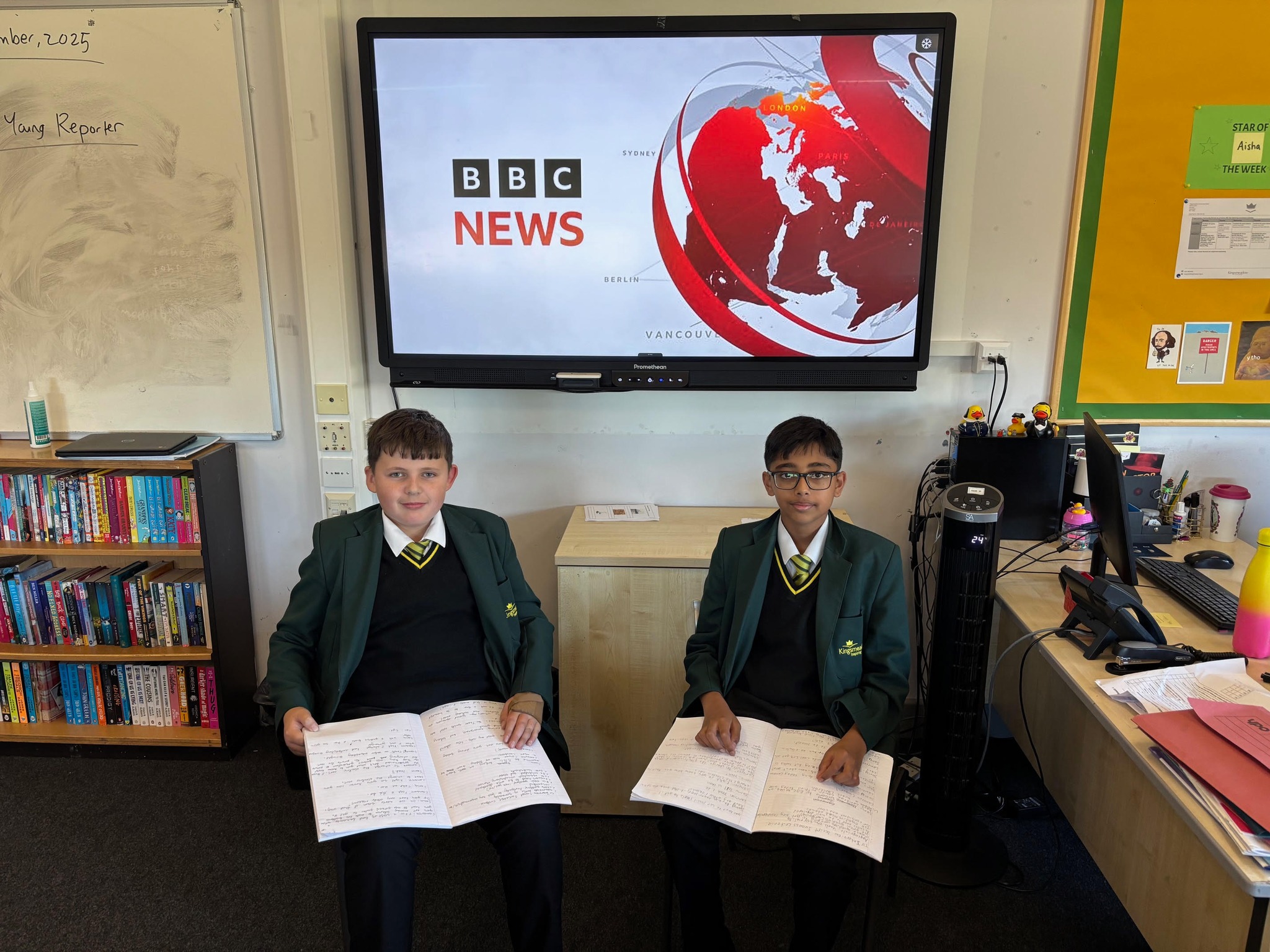
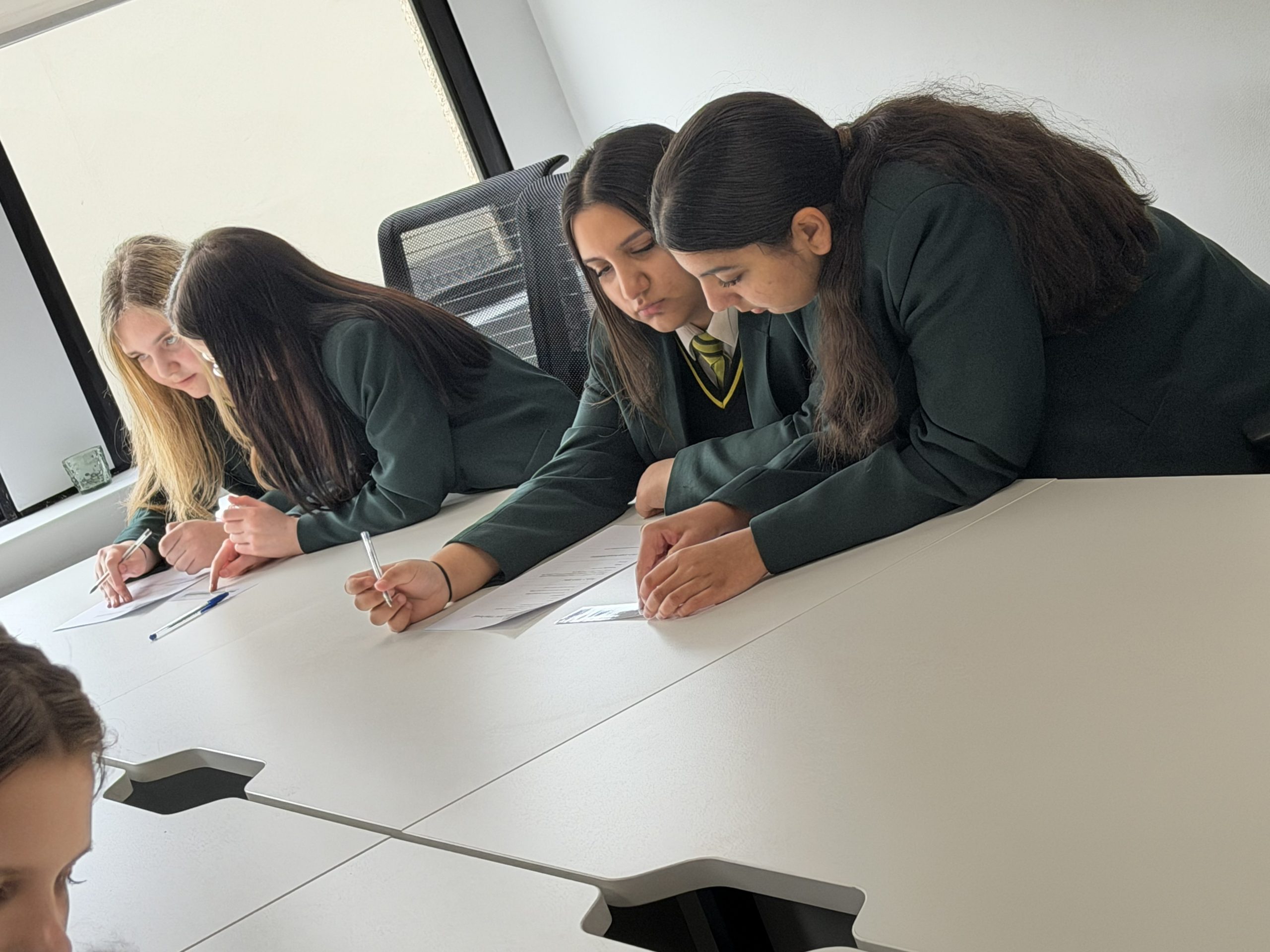
The English Department aims to empower students to become effective communicators and reflective, critical learners who experience a diverse range of curricular experiences and texts, and master skills as readers, speakers and authors.
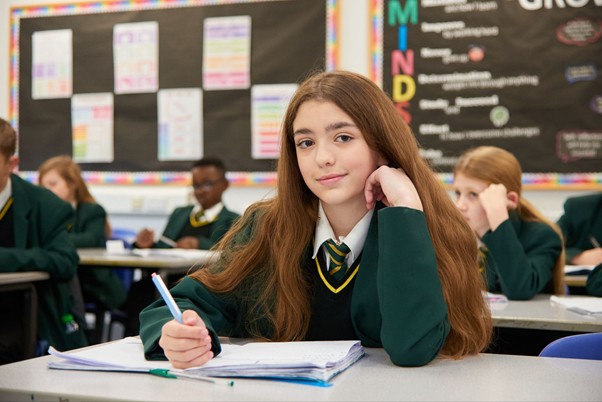
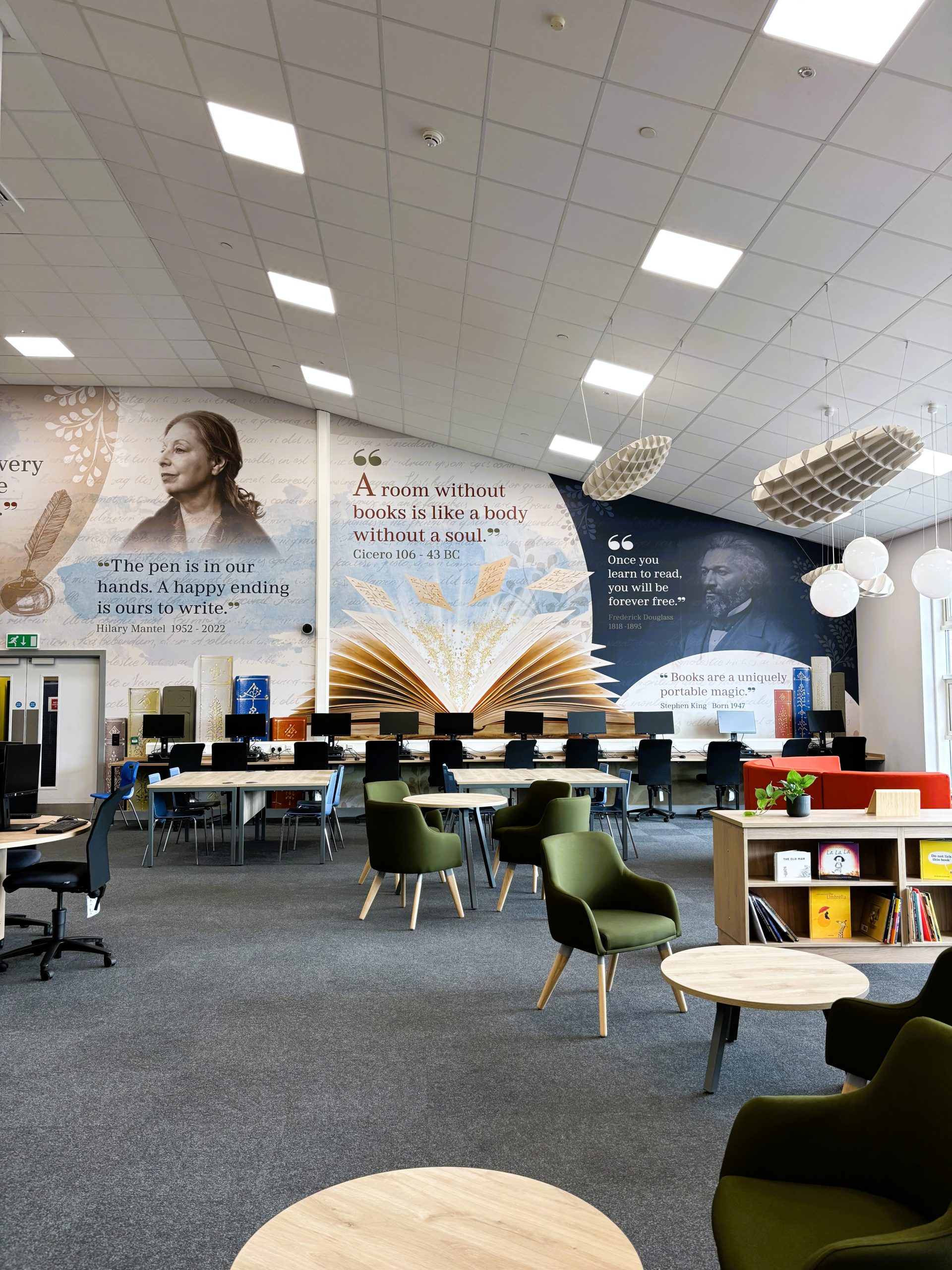
Our curriculum addresses all aspects of the national curriculum and has been refined to ensure long term progress for all students. We aim to inspire them by offering a rich reading curriculum, and varied spoken language and creative writing opportunities, supporting students to access texts and develop independence by focusing on vocabulary and revisiting key concepts over time. With the added advantage of a recently redesigned and well stocked library, we are able to offer Kingsmeadow students a wealth of reading materials that will help them to enhance their cultural experiences and make progress in all areas of the school curriculum.
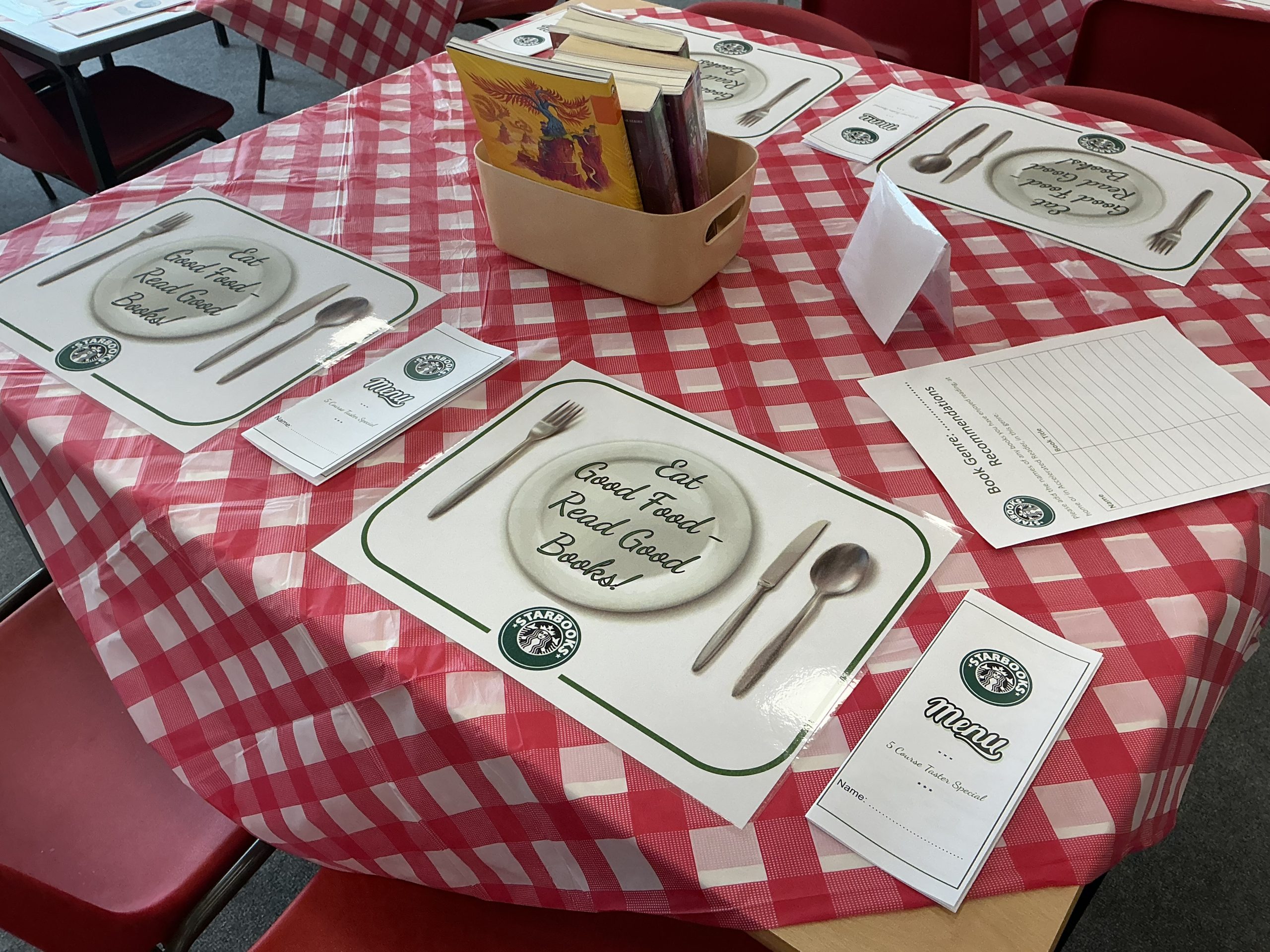
All students are encouraged to read widely and can access the school library before school (8 – 8.40am), during breaks and after school until 4pm (3.30pm on Fridays). The library is a welcoming space which offers print, audio and online reading and research resources, and is a calm space in which to complete homework or simply indulge one’s curiosity by reading captivating works of fiction and inspiring works of nonfiction.
Year 7
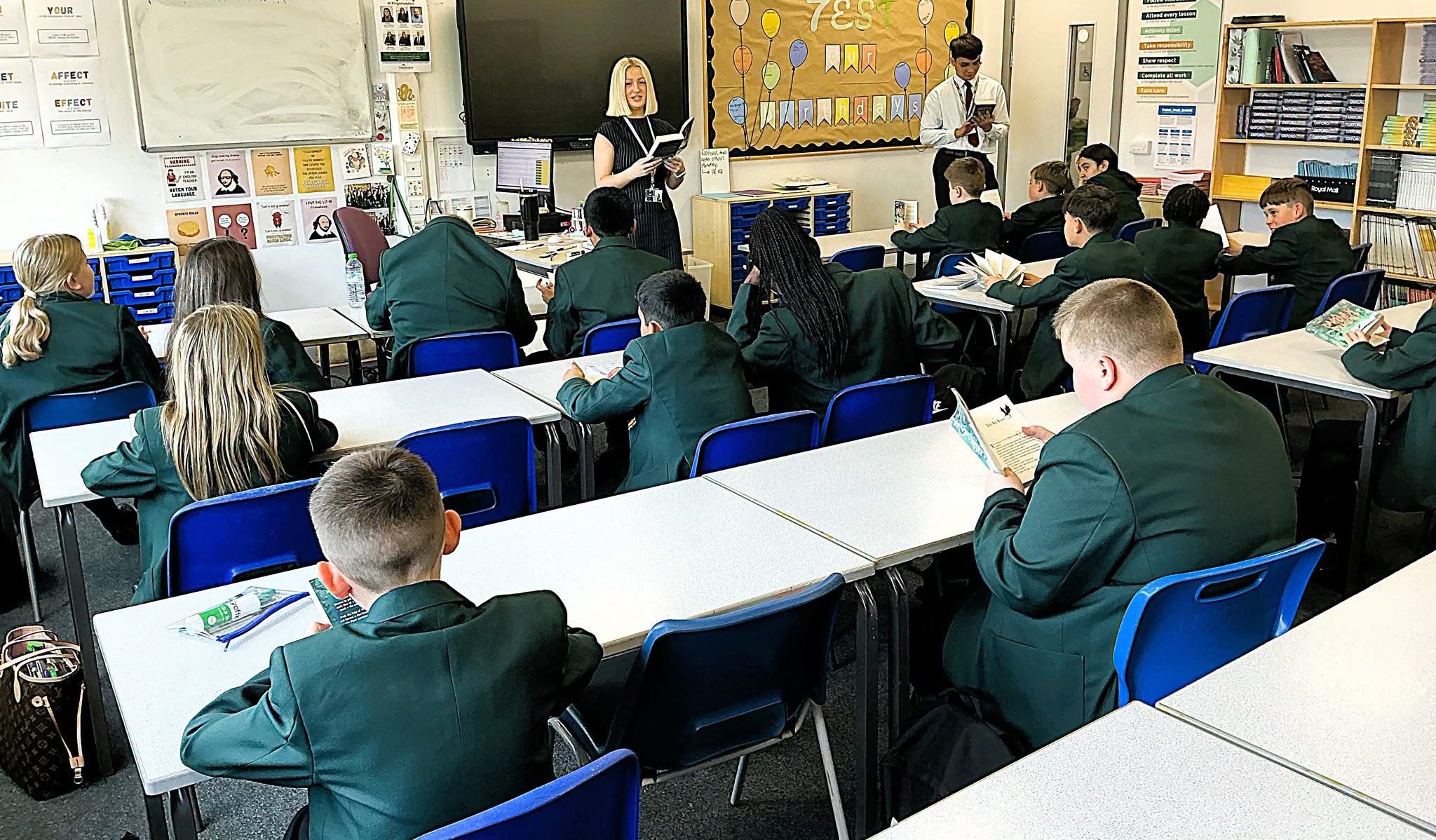
In Year 7, teachers aim to inspire a love of literature by introducing students to a range of literary fiction and non-fiction styles, encouraging them to develop independence and precision in their reading and writing skills. Our chosen novel is ‘Lord of the Flies’ and this is studied alongside Shakespeare’s ‘Romeo and Juliet,’ as well as a collection of poetry from various time periods and cultures. All students take part in the Accelerated Reader programme, and the Young Writers’ project, carrying out a range of persuasive and descriptive writing tasks and embedding the key skills needed to become confident authors and critical thinkers.
Year 8
In Year 8, students continue to read widely across a range of genres, considering the use of language and organisational features in the novel ‘Animal Farm’, in an adaptation of Barry Hines’ ‘A Kestrel for a Knave’, in a diverse poetry collection and in Shakespeare’s ‘The Tempest’. Year 8 groups are also introduced to a range of non-fiction texts, developing technical skills in analysis and securing the generic features of a range of written styles. They also continue to take part in Accelerated Reader.
Year 9
In Year 9, students continue to read and interpret a wide range of challenging texts, including classic literature such as ‘Jekyll and Hyde’ and non-fiction from different eras. They begin to compare a range of poems, making critical comparisons and referring to contexts, themes, characterisation and style. They further develop their descriptive and narrative writing skills, ensuring a high level of accuracy, variety and precision in the use of vocabulary, punctuation and sentence structures.
Year 10 and Year 11
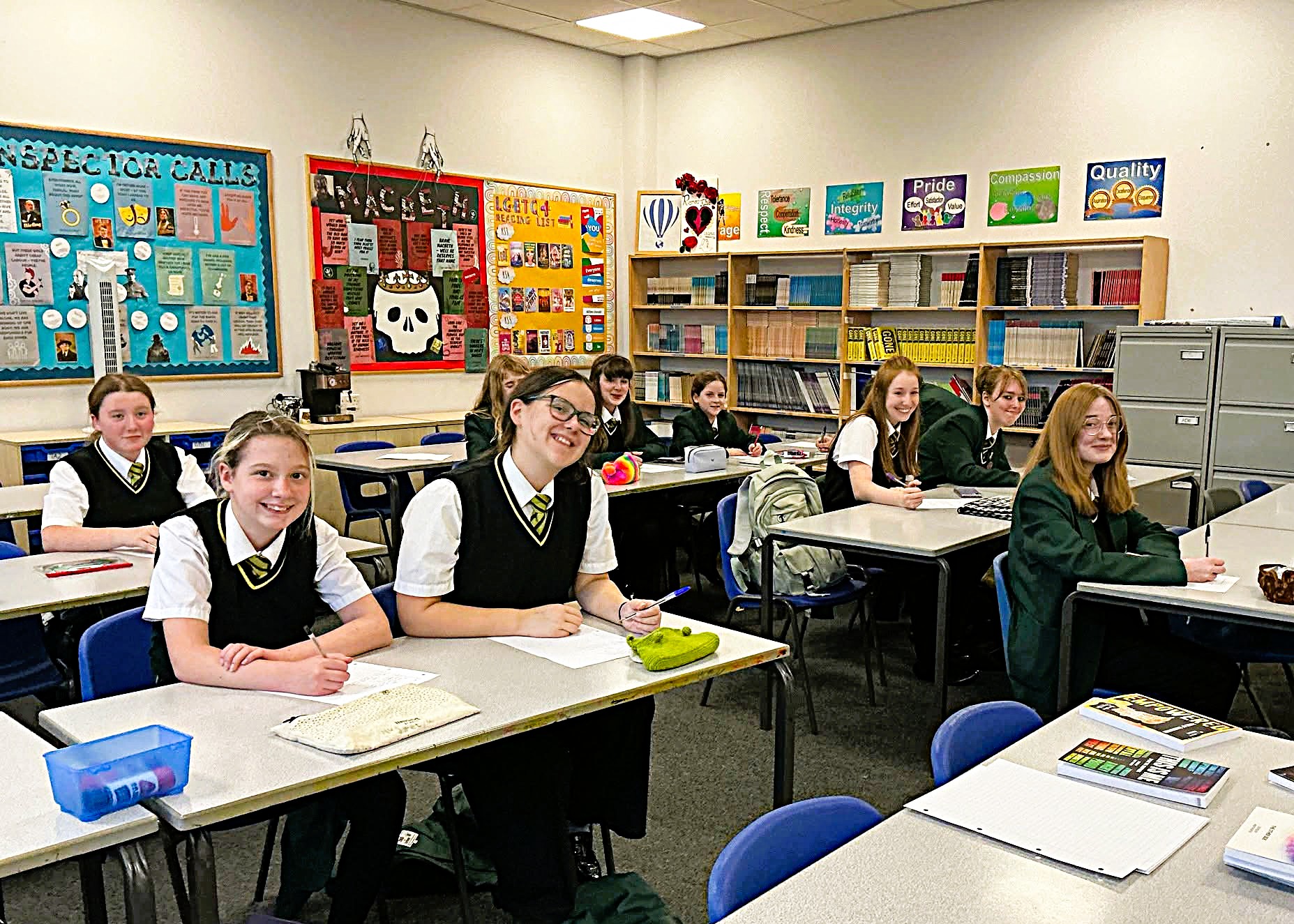
In English language lessons students consolidate their knowledge of writing styles, using a wide range of linguistic and organisational features to meet the needs of different audiences and purposes, and refining their use of vocabulary, punctuation and sentence structures. They are encouraged to express their own point of view in a range of written and spoken activities. In English literature lessons, students begin their study of ‘An Inspector Calls’ and explore Shakespeare’s ‘Macbeth’, Dickens’ ‘A Christmas Carol’ and the love and relationships poetry set texts in detail, analysing language, themes and contexts. Students also develop skills in analysing unseen poetry.
Year 12 and Year 13
Our post-16 students study the combined English language and literature A level in which students learn about the ways in which views and perspectives are shaped and used in a variety of narratives. They explore representation in literary fiction and in an anthology of texts linked by the theme of Paris. Students also produce re-creative work that seeks to find an absent or underplayed perspective in the original text and write a critical reflection on the processes and outcomes involved. Furthermore, students explore the role of the individual in society, and conflict in drama, via analytical and creative study of ‘The Handmaid’s Tale’, ‘The Great Gatsby’, ‘Othello’ and the poetry of Robert Browning. Finally, students are required to make active connections between a literary text and some non-literary material of their own selection in an independent investigation (NEA).
English A level allows students to further develop effective communication, critical thinking and analytical skills which complement their studies in other subjects and prepare them for the world of employment.