
Design and Technology
Our Design and Technology curriculum encourages students to explore design, making, and evaluation solutions. Working with different materials across a range of practical projects, students develop their technical skills, critical thinking, and an understanding of customer needs, preparing them to create and adapt in a constantly changing world.
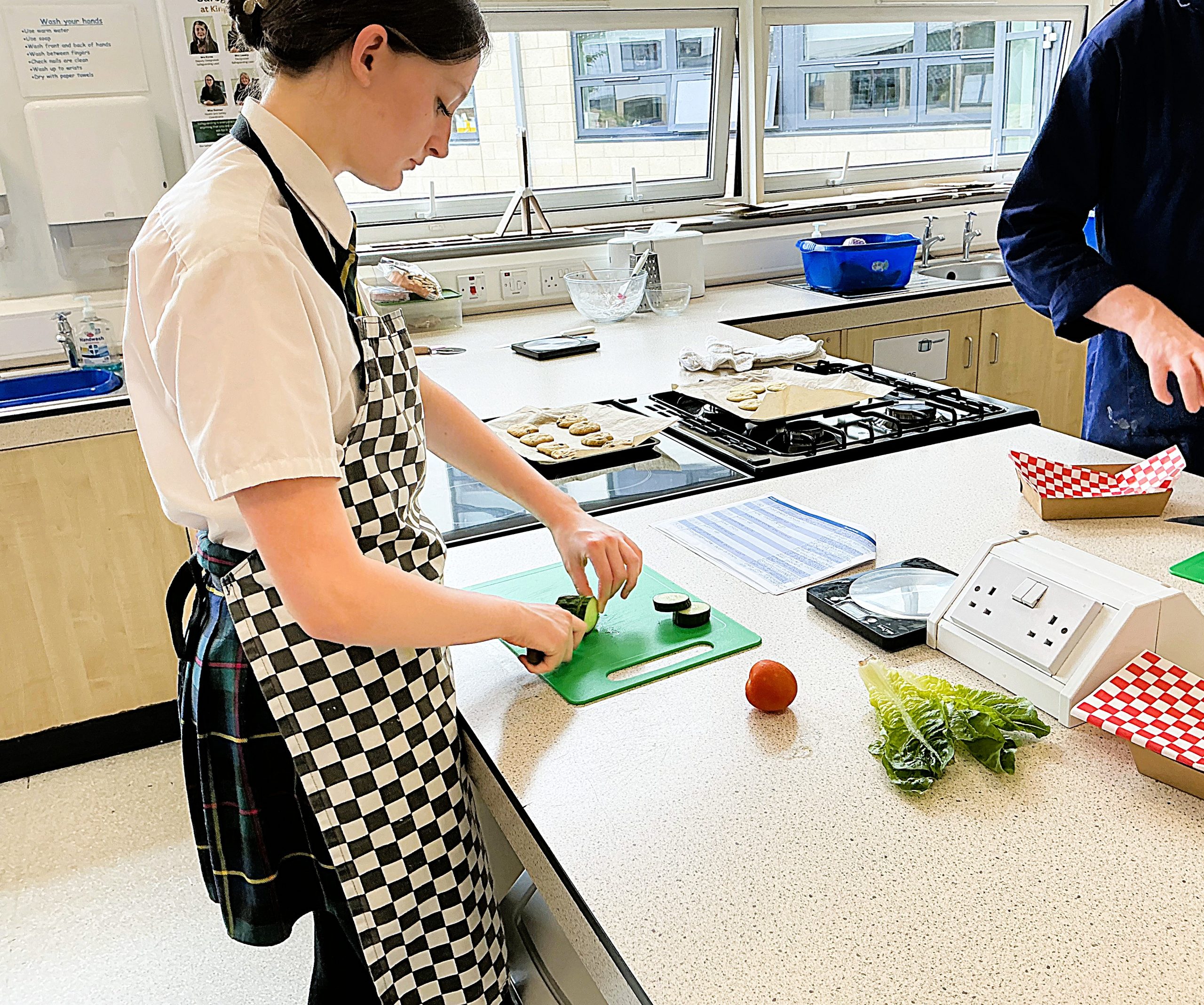
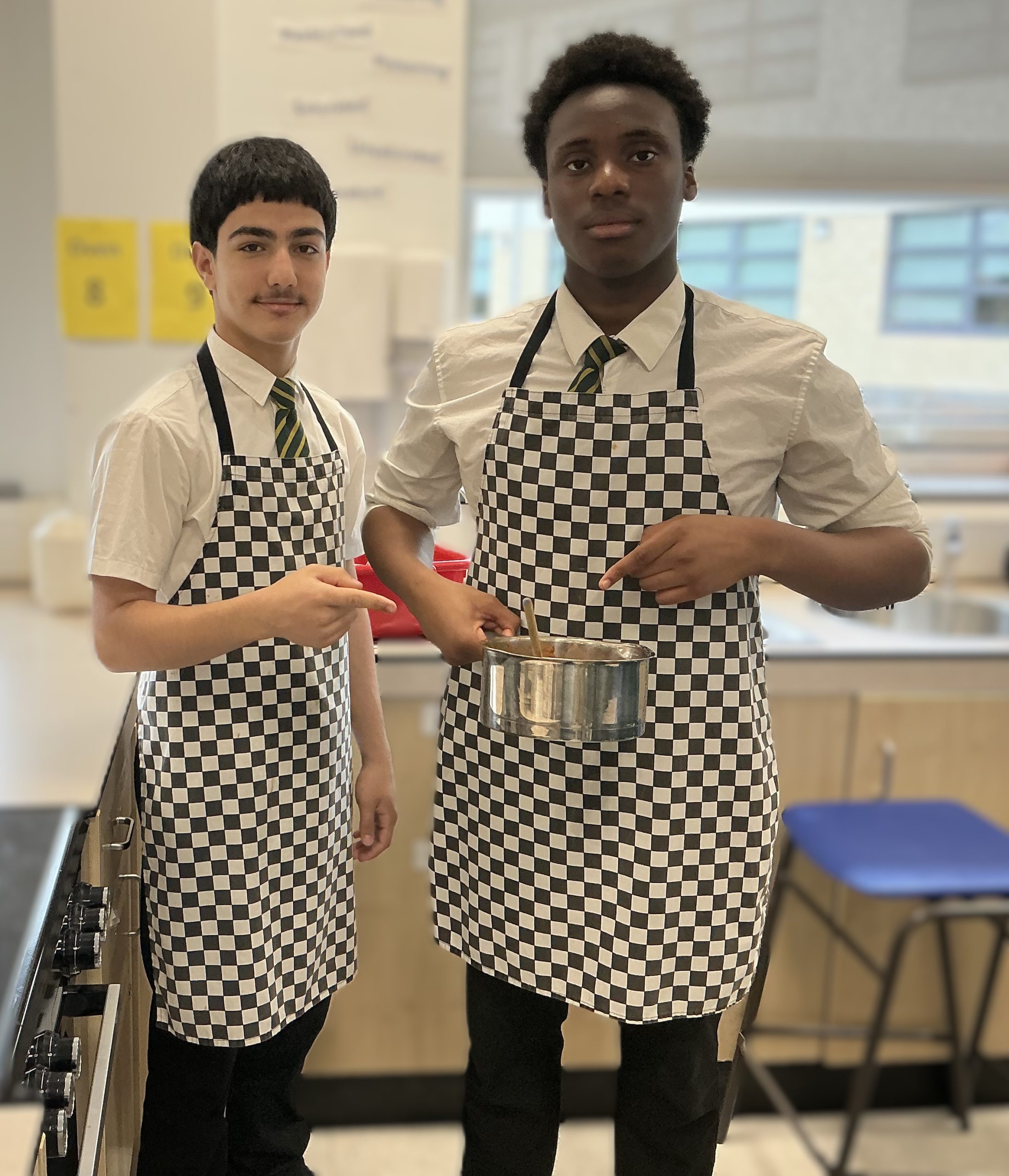
Their time in food technology equips students with the knowledge, understanding and skills to cook and apply the principles of nutrition and healthy eating.
Our teachers deliver an exciting and creative curriculum to inspire future innovators, encourage independent thinking and problem solving by working with a wide range of materials.
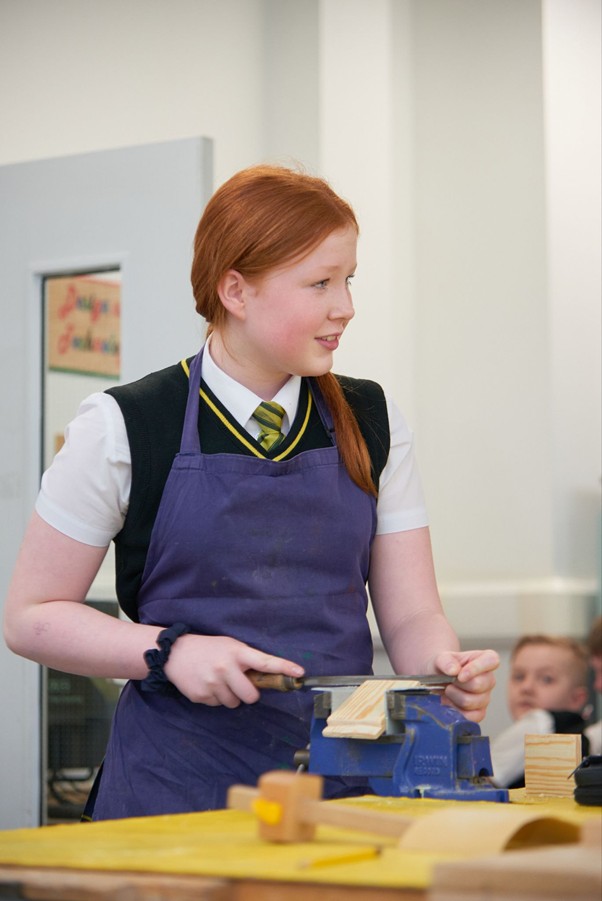

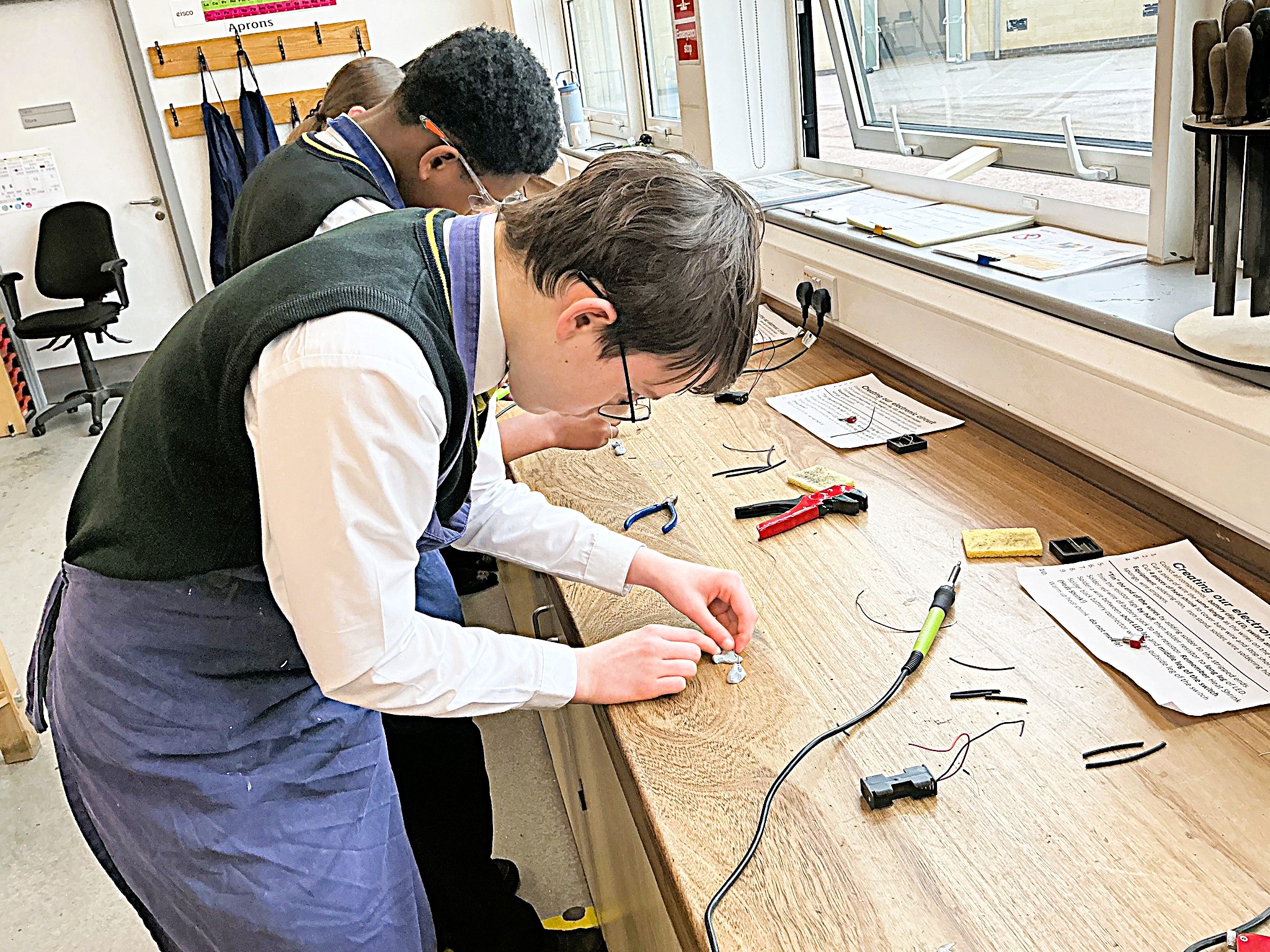
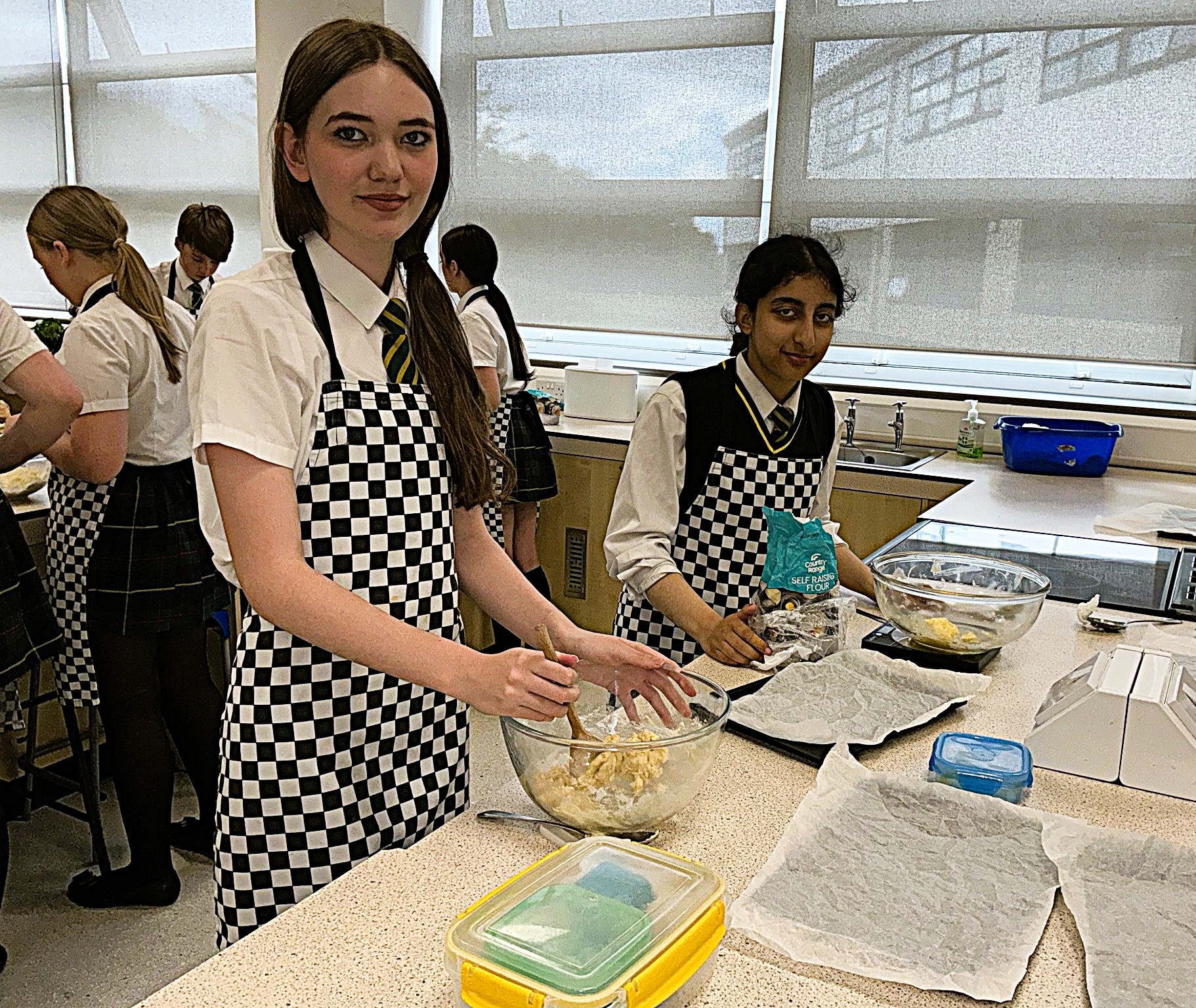
Year 7, 8 and 9 students
Our Key Stage 3 Design and Technology curriculum inspires students to become creative problem-solvers who can design, make and evaluate solutions for the world around them. Through a combination of practical projects, technical learning and creative thinking, students develop the skills and confidence to become innovative designers and makers.
Students explore a wide range of materials, processes and technologies, developing their understanding of how products are designed, manufactured and improved. They learn to consider the needs of users, sustainability, environmental impact and the wider influences that shape design decisions.
Alongside product design, students develop essential life skills through Food Technology. They learn how to prepare, cook and adapt a variety of dishes while developing an understanding of nutrition, healthy eating, food safety and the importance of making informed choices about food.
Our curriculum encourages independence, resilience and problem-solving, while providing students with opportunities to work creatively using traditional workshop techniques alongside modern technologies such as computer-aided design (CAD) and computer-aided manufacture (CAM). Students are introduced to the wide range of careers available within design, engineering, manufacturing, hospitality and the creative industries.
Year 7
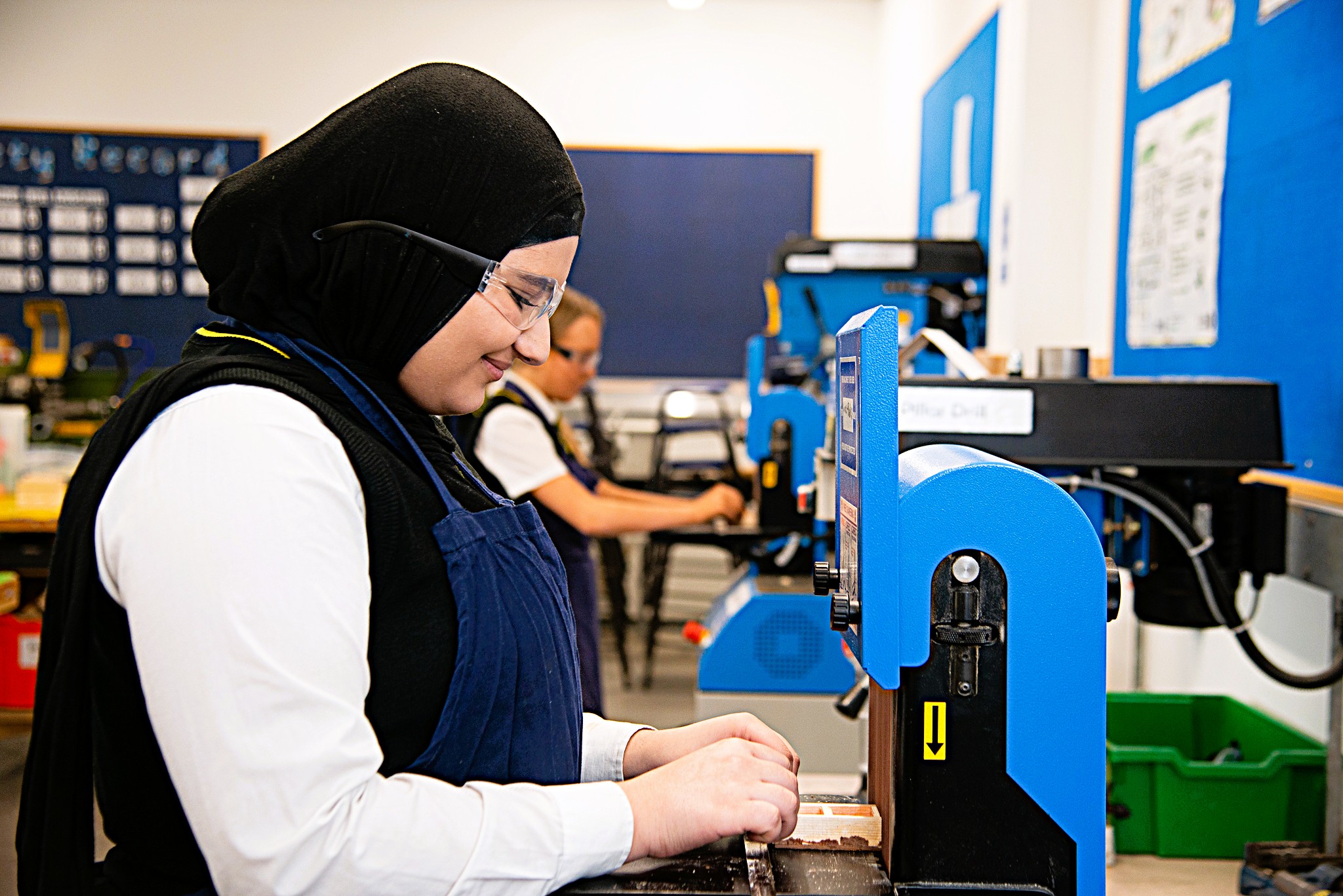
Students are introduced to the principles of Design and Technology, developing confidence in the workshop environment and learning how to work safely with a range of tools, equipment and materials.
Through skills-based projects, students learn the fundamentals of the design process, including understanding design briefs, researching existing products, generating ideas and producing accurate sketches and technical drawings. They begin to develop practical skills through making products using a range of materials and manufacturing techniques.
Students are introduced to computer-aided design (CAD) and computer-aided manufacture (CAM), developing an understanding of how digital technologies are used in modern design and production.
In Food Technology, students develop essential cooking skills and learn about food hygiene, nutrition and healthy eating. They begin to understand how ingredients can be combined, prepared and adapted to create balanced and nutritious meals.
Year 8
Students continue to develop their practical and creative skills through more challenging design projects. They refine their understanding of the design process by investigating user needs, developing creative solutions, modelling ideas and evaluating their final products.
Students work with a wider range of materials, including wood, plastics and composite materials, learning how material properties influence design choices and manufacturing methods. They develop greater independence when using tools, machinery and digital technologies to produce high-quality outcomes.
In Food Technology, students build on their cooking skills by exploring a wider range of ingredients, cooking methods and nutritional principles. They learn to plan and prepare dishes that meet different dietary requirements while considering cost, sustainability and healthy lifestyle choices.
Year 9
Students develop a deeper understanding of design, manufacture and innovation, preparing them for further study at GCSE level. They complete more complex projects that require them to independently research, design, manufacture and evaluate their own solutions.
Students develop greater confidence using specialist tools, machinery and CAD/CAM technologies, while learning about quality control, sustainability and the impact of design decisions on people and the environment.
Through Food Technology, students continue to develop practical cooking skills and their understanding of nutrition, food science and food choices. They explore how food products are developed and adapted for different users, linking their learning to real-world hospitality and catering contexts.
Across Years 7 to 9, students develop a strong foundation in creativity, practical skills and problem-solving. The curriculum equips students with valuable skills for everyday life, further study and future careers, while encouraging them to become confident, adaptable and innovative thinkers.
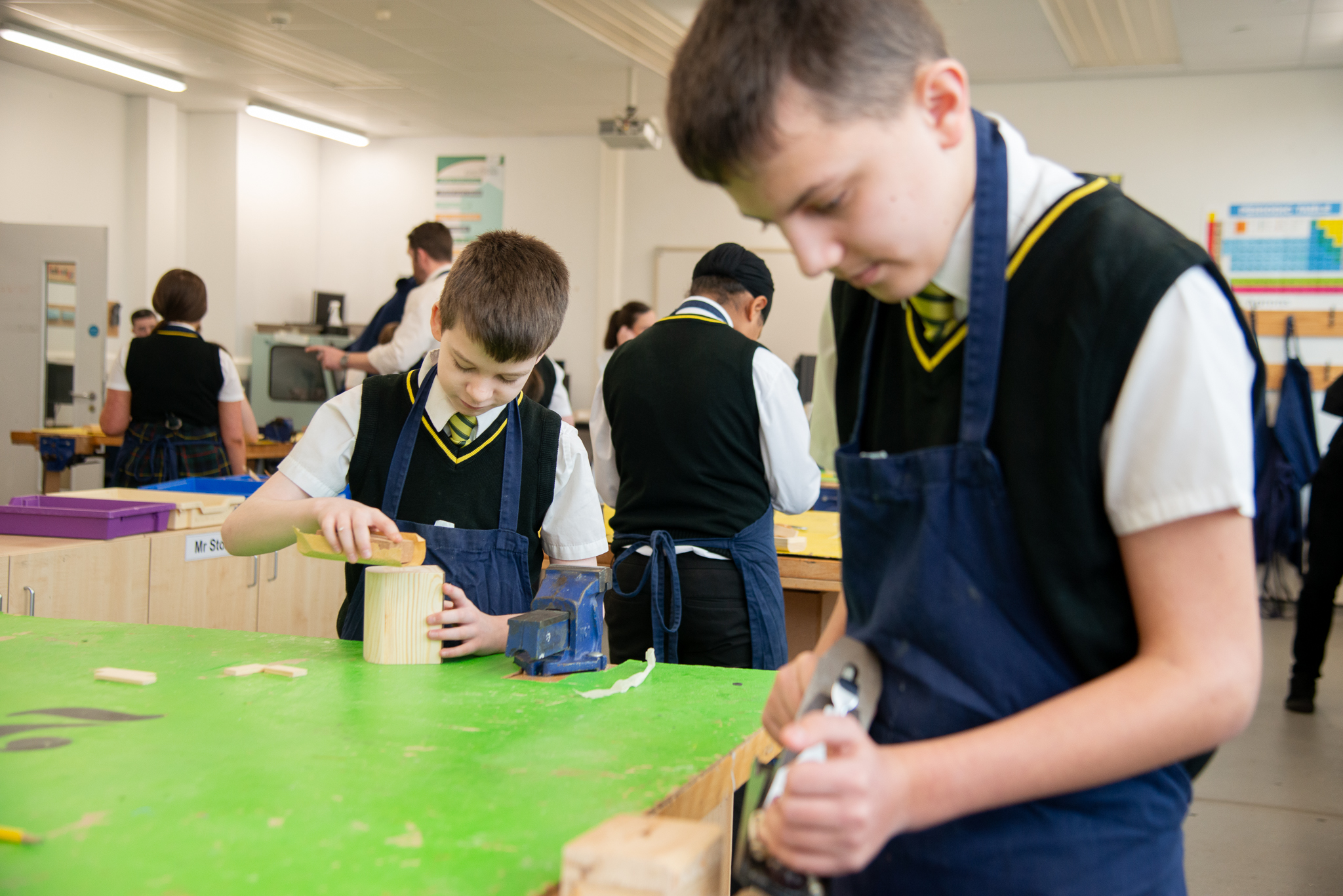
AQA GCSE Design and Technology (Years 10 and 11)
The AQA GCSE in Design and Technology encourages students to become creative, confident and innovative designers who can solve real-world problems through the design and manufacture of products. The course combines practical making skills with technical knowledge, enabling students to understand how design and technology shape the world around us.
Throughout the course, students explore a wide range of materials, manufacturing processes and design techniques. They develop their ability to investigate, design, model, manufacture and evaluate products while considering the needs of users and the wider impact of design decisions. Students also gain an understanding of how historical, social, cultural, environmental and economic factors influence the products we use every day.
Using both traditional workshop tools and modern design technologies, students develop practical skills alongside creative thinking, problem-solving and project management. The course encourages independence and resilience, preparing students for further study and careers in engineering, product design, architecture, manufacturing and the wider creative industries.
Course Components
Component 1: Written Examination (50%)
Students develop knowledge and understanding of core technical principles, specialist technical principles and designing and making principles. They study topics including materials and their properties, manufacturing processes, design strategies, sustainability, new and emerging technologies, and the work of designers and engineers. This component is assessed through a written examination at the end of Year 11.
Component 2: Non-Exam Assessment (50%)
Students complete an independent design-and-make project in response to a contextual challenge released by AQA. They investigate the needs of a client or user, generate and develop design ideas, produce a prototype and evaluate the success of their final product. Throughout the project, students demonstrate creativity, technical knowledge and practical manufacturing skills.
The qualification is assessed through one written examination and one substantial design-and-make project, providing students with a balance of theoretical understanding and practical application.