
Art and Photography
Our art curriculum aims to inspire and nurture students’ creative curiosity by immersing them in the Art Formal Elements, the foundation of all our thought-provoking projects.
Through exposure to a diverse range of art forms, artists, and topics, we encourage independent thinking, self-expression, and the pursuit of excellence, empowering students to explore, create, and reach their full potential.
Our teaching staff deliver an exciting and creative curriculum that encourages creativity, independent thinking and problem solving.
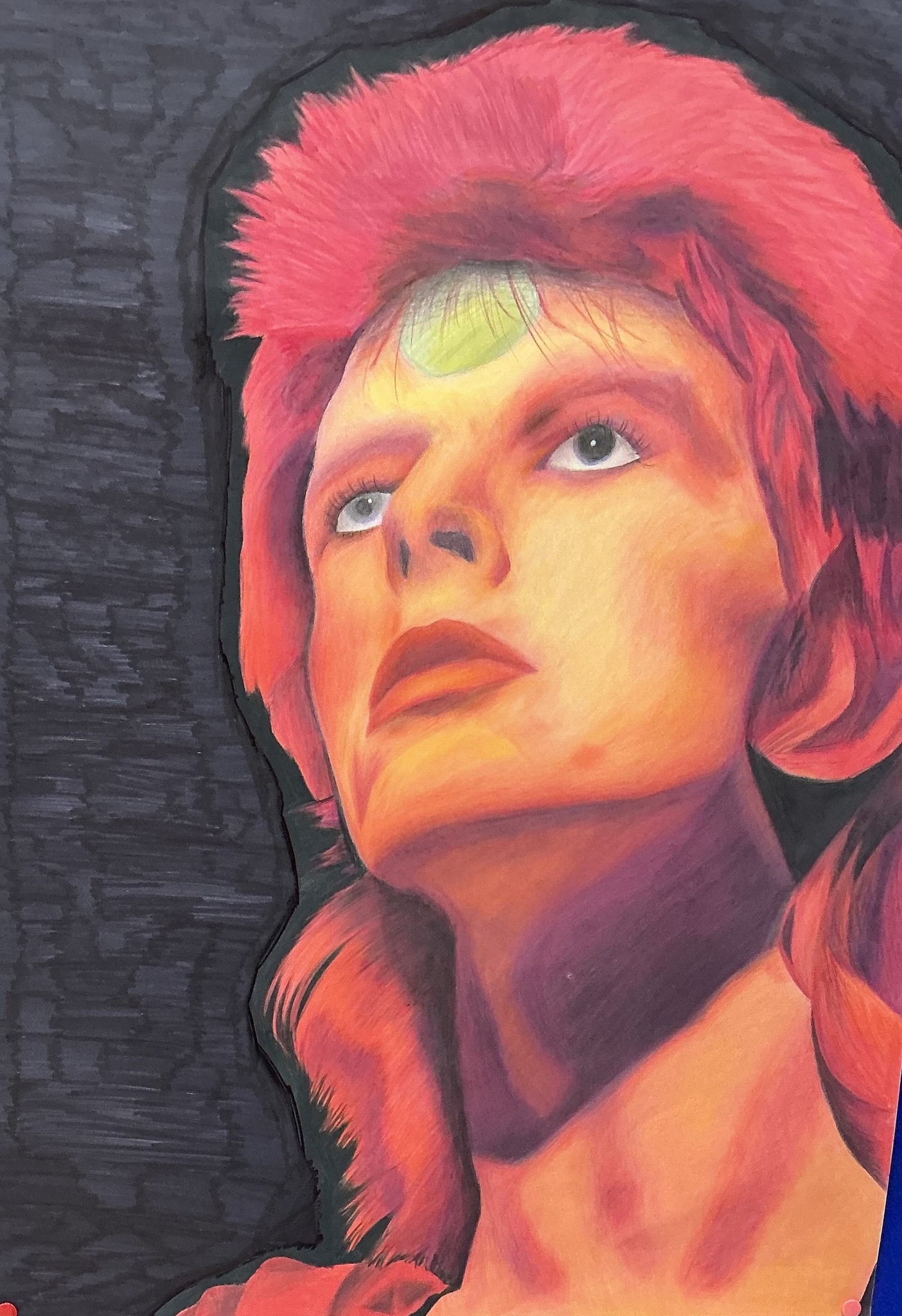

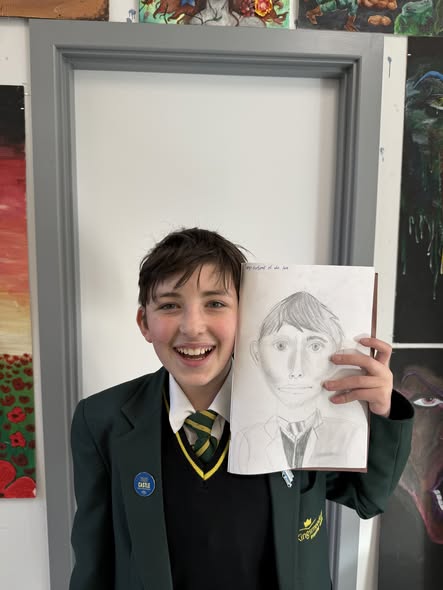
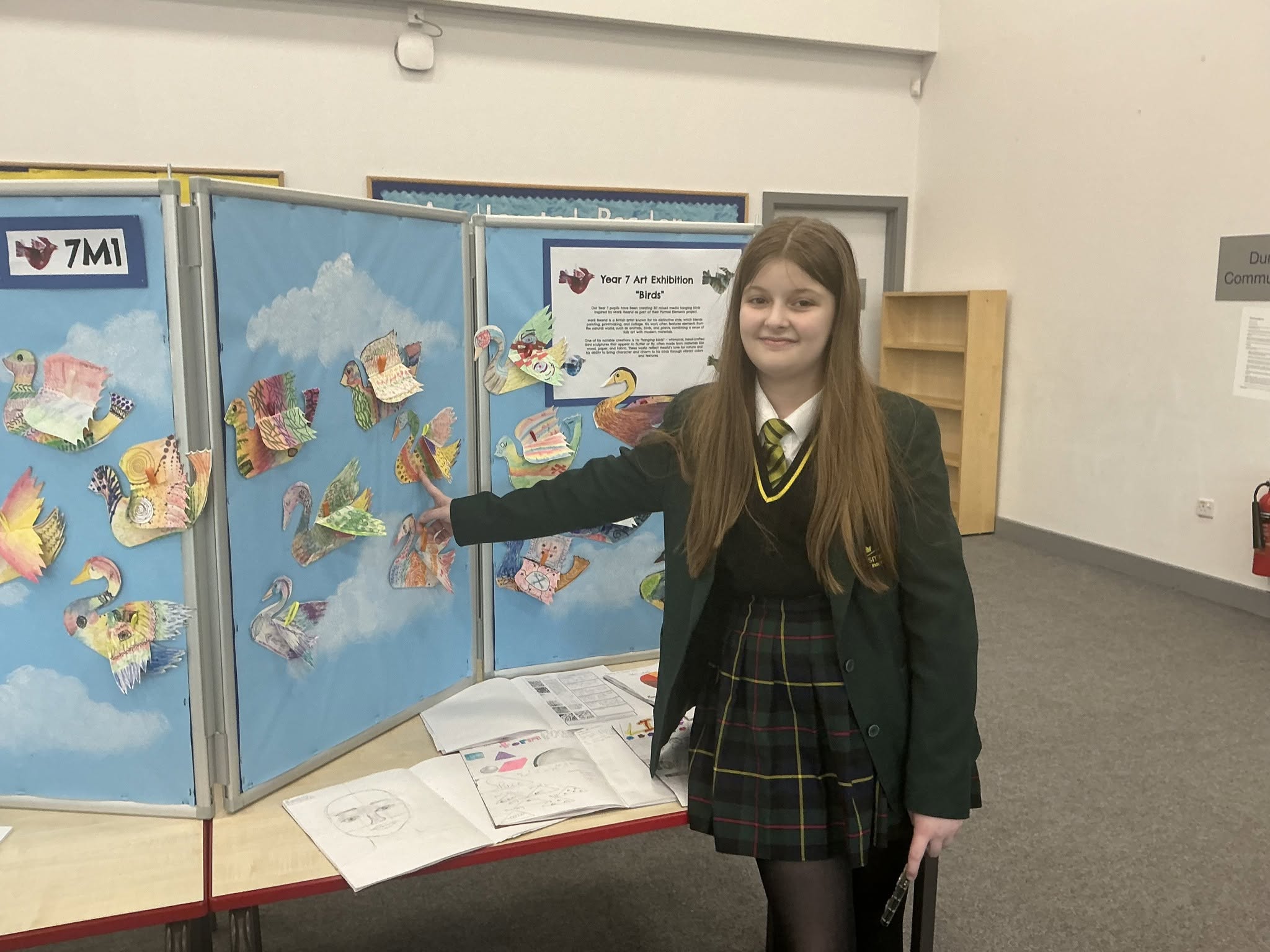
Year 7, 8 and 9 students
Our Key Stage 3 Art and Photography curriculum inspires students to explore, create and communicate ideas through a wide range of creative experiences. Students develop confidence in their own artistic voice while building the practical skills, knowledge and understanding needed to become imaginative and thoughtful artists.
Through the study of the formal elements of art — line, tone, colour, texture, pattern, shape and form — students develop the foundations of artistic practice. They explore a diverse range of artists, cultures, movements and creative approaches, using these influences to inspire and inform their own work.
Students are encouraged to experiment, take creative risks and develop their ability to analyse, refine and evaluate their ideas. They learn that creativity is a process of exploration and problem-solving, developing resilience and independence as they progress through increasingly challenging projects.
The curriculum introduces students to a variety of artistic disciplines, including drawing, painting, sculpture, textiles, mixed media and photography. Students develop practical skills with a range of materials, tools and techniques while gaining an understanding of the historical, cultural and social influences that shape art, craft and design.
Year 7
Students are introduced to the key principles of Art and Design through exploring the formal elements, including colour, line, texture, tone and mark making. They develop practical skills through experimentation with a range of materials and techniques, including sculpture and mixed media.
Students build their observational drawing skills to create a self-portrait, which is developed into a personal mixed media final piece inspired by a range of artists. Through this process, students learn how artists influence creative ideas and develop confidence in expressing their own artistic style.
Year 8
Students continue to develop their artistic skills through projects that build confidence in observation, creativity and experimentation. They refine their observational drawing skills through an endangered animals project, using research and studies of form, pattern and detail to create a detailed oil pastel outcome.
Students explore the Pop Art movement and the work of influential artists, applying these ideas to create a 3D clay relief tile. They then investigate graffiti and urban art, developing their understanding of contemporary artists and creating a mixed media 3D sculpture that combines a range of materials and techniques.
Through these projects, students develop their ability to respond to artists, experiment with materials and create imaginative personal outcomes.
Year 9
Students develop their creativity and independence further, preparing them for GCSE Art, Craft and Design and GCSE Photography. They complete more ambitious projects that require them to research, experiment, refine and evaluate their ideas.
Students refine technical skills across a range of media, including drawing, painting, sculpture, digital processes and photography.
Through studying the work of a range of artists, photographers and designers, students develop their ability to analyse creative work and use inspiration effectively within their own practice.


Eduqas GCSE Art, Craft and Design (Years 10 and 11)
The Eduqas GCSE in Art, Craft and Design is a creative and inspiring course that encourages students to develop their artistic skills, imagination and confidence. Students are introduced to a wide range of artistic techniques, materials and processes while exploring the work of both historical and contemporary artists, craftspeople and designers.
Throughout the course, students investigate ideas through drawing, painting, printmaking, sculpture, mixed media, textiles and digital processes. They learn how to record observations, experiment with materials, refine their ideas and produce personal, imaginative outcomes that demonstrate their creativity and technical ability.
Students are encouraged to develop an independent approach to their work, building resilience, problem-solving skills and critical thinking as they evaluate and refine their creative ideas. The course provides an excellent foundation for further study in Art and Design, as well as careers within the creative industries.
Course Components
Component 1: Portfolio (60%)
Students produce a portfolio of practical work completed throughout Years 10 and 11. This includes sustained project work that demonstrates the creative process, from initial research and artist investigations through experimentation and development to a final personal outcome.
Component 2: Externally Set Assignment (40%)
In Year 11, students respond to a choice of starting points provided by Eduqas. They independently develop their ideas through research, experimentation and planning before producing a final piece during a supervised timed assessment.
Assessment is based on students’ ability to develop ideas, refine their work, record observations and present a personal and meaningful response.
We have published a very helpful booklet for our students studying GCSE Art and Design that provides helpful tips on how to achieve the best possible marks. Download the booklet here: Kingsmeadow School – How to get top marks for your Art studies.
Eduqas A Level Art, Craft and Design (Years 12 and 13)
The Eduqas A Level Art, Craft and Design course provides students with the opportunity to develop their creativity, independence and personal artistic style. The course encourages students to explore a wide range of materials, techniques and processes while developing their ability to communicate ideas through visual and creative outcomes.
Students build on their previous experience of Art and Design by exploring more complex concepts, experimenting with a variety of media and developing a deeper understanding of the creative process. They investigate the work of historical and contemporary artists, craftspeople and designers, using this research to inspire and inform their own practice.
Throughout the course, students develop skills in researching, recording, experimenting, refining and evaluating their ideas. They are encouraged to take ownership of their creative journey, developing individual responses to themes and briefs while demonstrating technical skill, critical thinking and originality.
The course supports students in developing valuable transferable skills including problem-solving, project management, communication, resilience and independent thinking. It provides an excellent foundation for progression to degree-level study and careers within the creative industries, including fine art, fashion, illustration, graphic design, architecture, animation and other creative disciplines.
Course Components
Component 1: Personal Investigation (60%)
Students develop an extended personal project based on their own ideas and interests. They produce a portfolio of practical work that demonstrates their creative journey, including research, artist investigations, experimentation, development of ideas and a final outcome. Students also complete a written element that explores the relationship between their own work and the influences that have shaped it.
Component 2: Externally Set Assignment (40%)
Students respond to a choice of themes provided by Eduqas. They independently research, develop and refine their ideas before creating a final outcome during a supervised assessment period.
Assessment focuses on students’ ability to develop ideas, demonstrate creativity, experiment with materials and techniques, record their creative process and produce meaningful personal responses.
The course allows students to develop as confident and independent artists, preparing them for higher education and future careers across the creative sector.

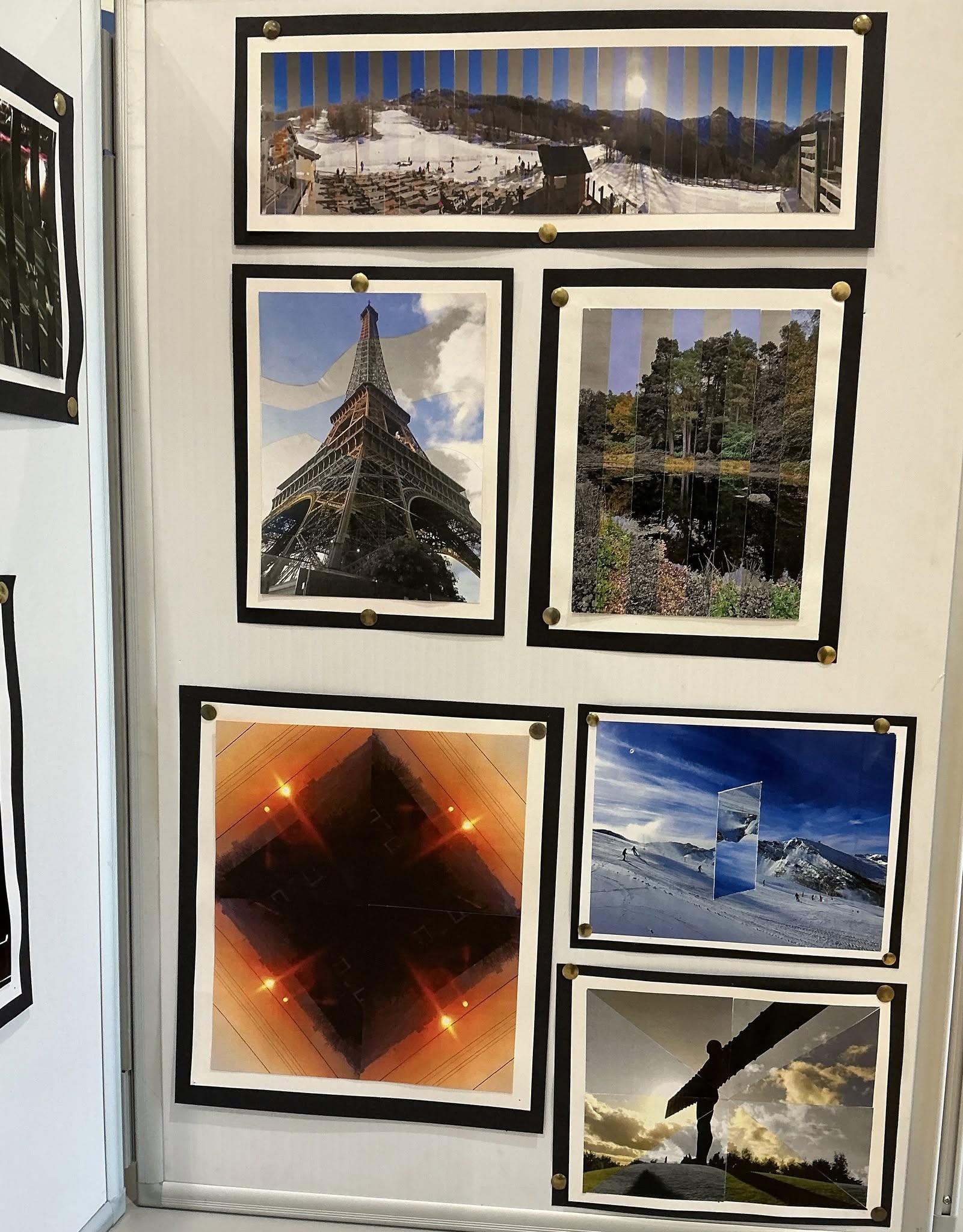

Eduqas GCSE Photography (Years 10 and 11)
The Eduqas GCSE in Photography is a creative course that enables students to explore the world through the lens of a camera while developing technical, artistic and digital editing skills. Students learn how photography can be used to communicate ideas, tell stories and express personal creativity.
Throughout the course, students develop practical skills in camera operation, composition, lighting and image editing using industry-standard digital techniques. They investigate the work of influential photographers and artists, using this research to inspire and develop their own creative projects.
Students experiment with a variety of photographic genres, which may include portraiture, landscape, documentary, studio photography, architecture, macro photography and experimental image-making. They also learn how to manipulate and present images using digital software, creating thoughtful and original photographic outcomes.
The course encourages creativity, independence and critical thinking, providing an excellent foundation for further study in Photography, Art and Design, Media, Graphic Design and other creative disciplines.
Course Components
Component 1: Portfolio (60%)
Students produce a portfolio of practical photography projects completed throughout Years 10 and 11. Their work demonstrates the creative journey from research and photographer studies through experimentation, image development and editing to a final personal outcome.
Component 2: Externally Set Assignment (40%)
In Year 11, students respond to a choice of themes set by Eduqas. They develop their own photographic project through research, planning and practical experimentation before producing a final outcome during a supervised timed assessment.
Assessment focuses on students’ ability to develop ideas, experiment with photographic techniques, record observations through photography and present a personal and creative response.
Eduqas A Level Photography (Years 12 and 13)
The Eduqas A Level Photography course enables students to explore photography as a creative, artistic and communicative medium. Students develop advanced technical skills while learning how photography can be used to express ideas, document the world around them and create powerful visual narratives.
Throughout the course, students explore a wide range of photographic approaches, including portraiture, landscape, documentary, experimental photography, still life and digital image-making. They develop confidence using cameras, lighting, composition and editing techniques, while learning how to manipulate and present images in imaginative and professional ways.
Students investigate the work of influential photographers, artists and creative practitioners, analysing how images communicate meaning. Students use these influences to develop their own photographic style. They learn to experiment with different techniques, refine their ideas and produce thoughtful, personal photographic outcomes.
The course develops students’ creativity, independence, critical thinking and technical ability. It provides an excellent foundation for progression to higher education and careers in photography, film, media, graphic design, advertising, fashion, journalism and other creative industries.
Course Components
Component 1: Personal Investigation (60%)
Students complete a sustained photography project based on their own ideas and interests. They develop a portfolio showing their creative journey, including research, photographer studies, experimentation, image development, editing and final outcomes. Students also complete a written element that supports and explains the development of their practical work.
Component 2: Externally Set Assignment (40%)
Students respond to a choice of themes set by Eduqas. They independently develop a photographic project through research, planning, experimentation and refinement before producing a final photographic outcome during a supervised assessment period.
Assessment focuses on students’ ability to develop ideas, explore photographic techniques, demonstrate technical control, record their creative process and produce original responses.
The course encourages students to become confident visual communicators and provides a strong pathway into further study and careers within the creative and digital industries.